What Is Estate Planning—and Why Does It Matter?

At its core, estate planning ensures that your wishes are honored—whether that means providing for loved ones, protecting land you care deeply about, or supporting causes that reflect your values. It also makes the process easier for your loved ones who must take care of everything once you’re gone. And, if you are a family forest owner, it helps ensure your forest legacy is preserved.
While many people assume estate planning is only about finances or is something to think about later in life, the reality is much broader. Estate planning is about clarity, protection, and peace of mind—for you and for those you care about.
Why Estate Planning Is Important
A thoughtful estate plan provides structure and guidance during what can be an emotionally difficult time for loved ones. It helps:
-
Reduce uncertainty and stress for heirs
-
Minimize unnecessary legal and administrative costs
-
Protect assets from unintended outcomes
-
Preserve family legacy and values
Estate planning is also an opportunity to reflect on what matters most to you—and how you want to be remembered.
It’s Not Just About Finances
Estate planning goes far beyond bank accounts and investment portfolios. Your estate may include vehicles, properties, personal collections, retirement and savings accounts, business interests, and even land.
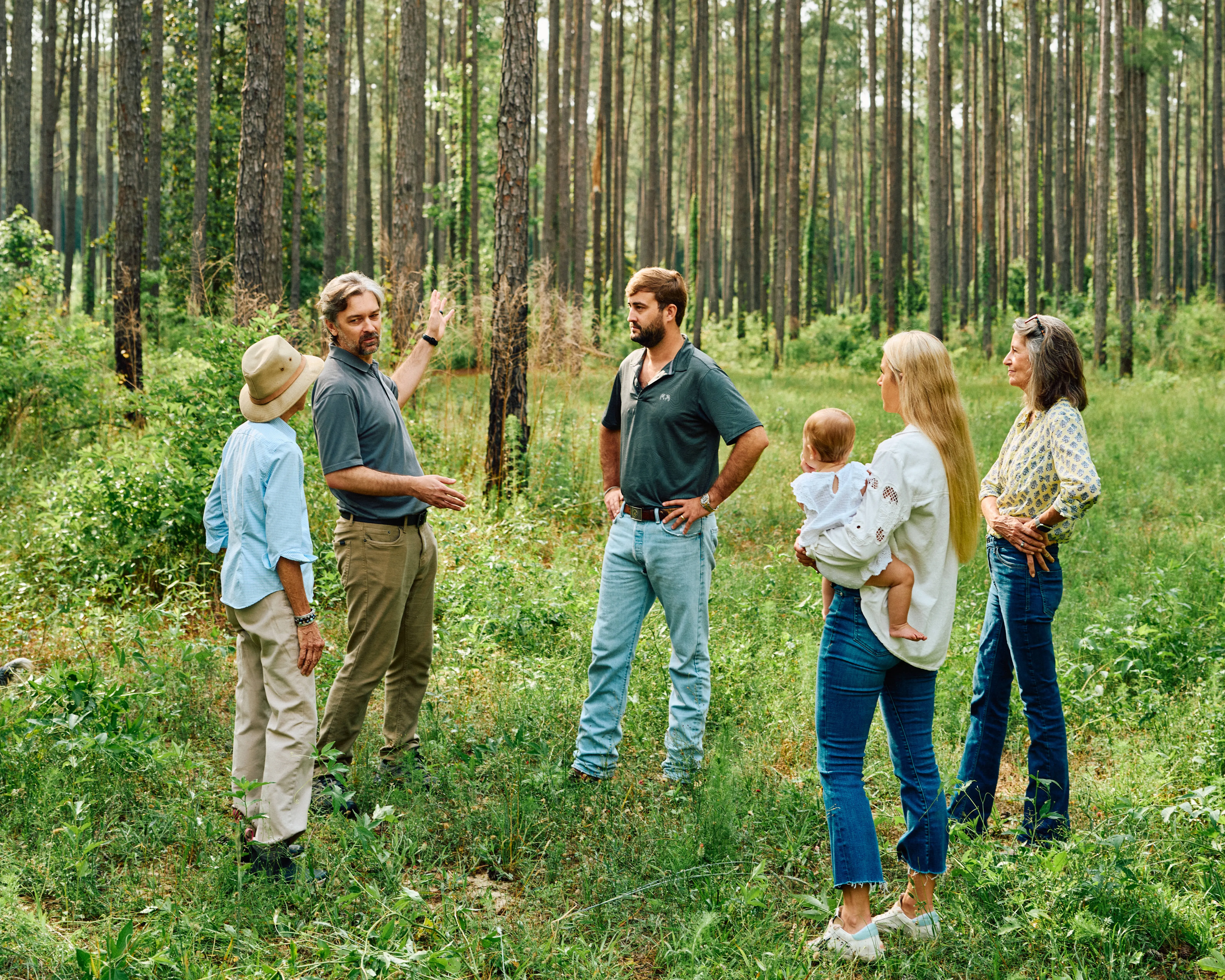
For forest landowners in particular, land often carries both financial and emotional value. An estate plan helps ensure that land remains protected, productive, and aligned with your long-term vision.
Where to Get Started
Estate planning doesn’t have to be overwhelming. Taking it step by step can make the process manageable and empowering.
Inventory Your Assets
Begin by listing everything you own. Having a clear picture of your assets makes it easier to determine how they should be distributed and managed.
Determine the Plan That’s Right for You
There are several key estate planning tools, and many plans use a combination of them:
-
Will
A legal document that outlines how your assets will be distributed and who will carry out your wishes after your lifetime.
-
Trust
A legal arrangement that allows assets to be managed and distributed according to your instructions, often helping avoid probate and providing greater flexibility and privacy.
-
Guardianship
Designates who will care for minor children or dependents if you are no longer able to do so.
Work With an Attorney
An experienced estate planning attorney can help ensure your plan reflects your goals and complies with state laws. They can also help address complex issues, such as land ownership, business interests, or charitable giving.
Establish Power of Attorney
A power of attorney allows you to designate someone to make financial or medical decisions on your behalf if you are unable to do so. This is a critical part of planning for unexpected events.
Name Your Beneficiaries
Regularly review and update beneficiary designations on retirement accounts, insurance policies, and other assets. These designations often override what is written in a will, making accuracy essential.
Tax Benefits of Estate Planning
A well-designed estate plan can offer meaningful tax benefits. Charitable gifts made through an estate plan may reduce estate taxes, and certain assets—such as retirement accounts—can be more tax-efficient to give to charitable organizations than to individuals.
Planned gifts may also provide income tax benefits during your lifetime, depending on the type of gift and your individual circumstances. While tax considerations should not be the sole driver of estate planning, they can play an important supporting role.
Emotional Benefits Matter Just as Much
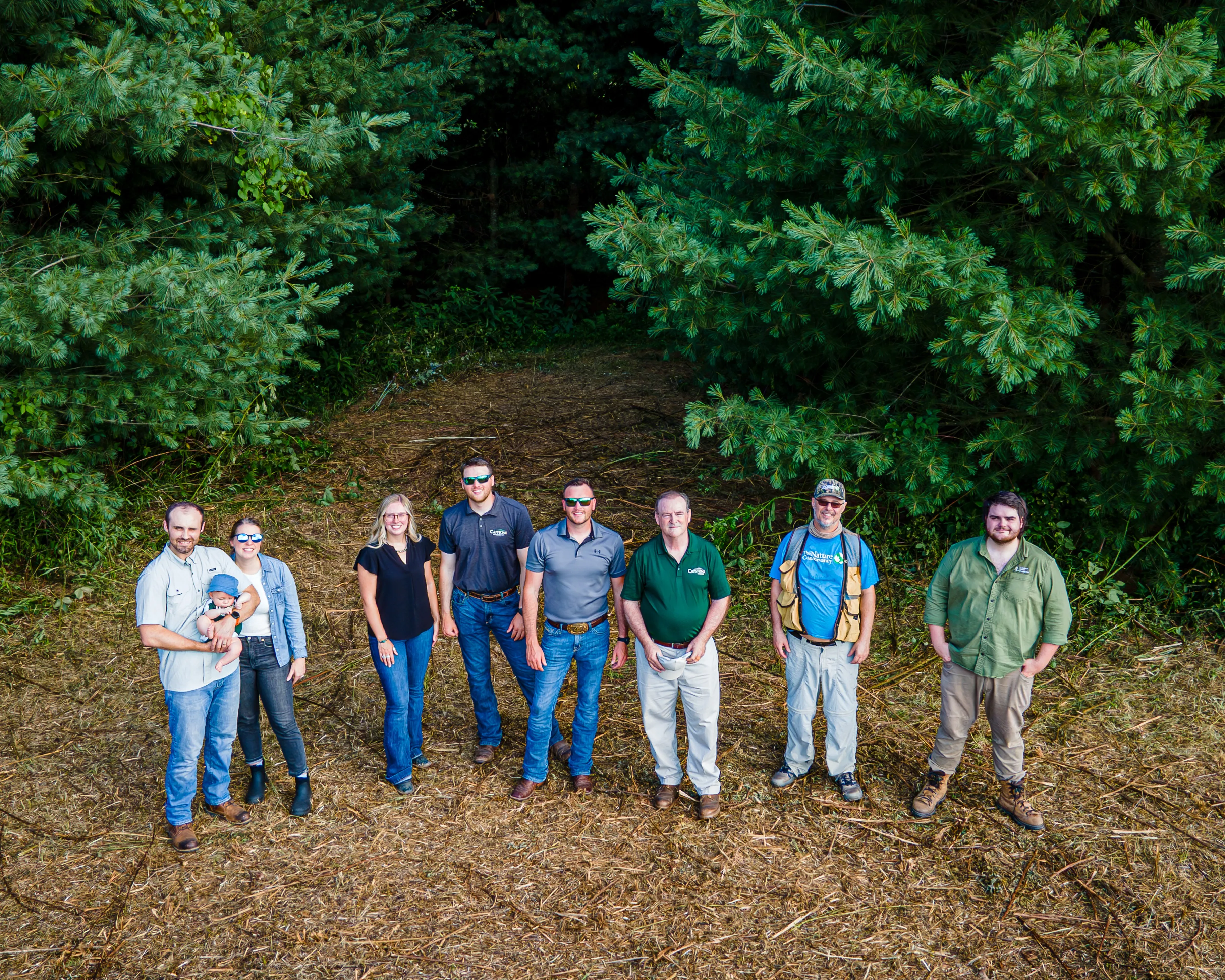
Beyond financial and tax considerations, estate planning offers powerful emotional benefits. For many forest landowners, planning provides reassurance that land will remain intact, responsibly managed, and potentially passed on to future generations.
Knowing that your land, legacy, and values are protected can bring a deep sense of peace—not only to you, but to your family as well.
Special Considerations for Forest Landowners
Forest landowners face unique estate planning challenges and opportunities. Some key considerations include:
-
Ancillary Probate
Owning land in more than one state may require additional probate proceedings, increasing complexity and cost.
-
Continuity of Forest Management
A plan can help ensure that forestland continues to be actively and sustainably managed.
-
Minimization of Transfer Costs
Thoughtful planning may reduce legal fees, taxes, and other costs associated with transferring land.
-
Flexibility and Tradeoffs
Estate planning often involves balancing financial needs, conservation goals, and family dynamics. Being prepared for flexibility is essential.
Planned Giving
Planned gifts—such as bequests, beneficiary designations, or gifts of land—provide nonprofits with long-term, reliable support. These gifts help organizations plan for the future, invest in mission-driven work, and respond to emerging needs.
For donors, planned giving is a way to make a meaningful impact without affecting current income or financial security.
Looking Ahead
Estate planning is an act of care—for your loved ones, your land, and the causes you believe in. Whether you are just getting started or revisiting an existing plan, taking the time to plan today can make a lasting difference tomorrow.
If you are a forest landowner or supporter who cares deeply about the future of forests, planned giving is one powerful way to ensure that your legacy continues to grow.