Family Forest Blog
July 6, 2021
In It for the Long Haul
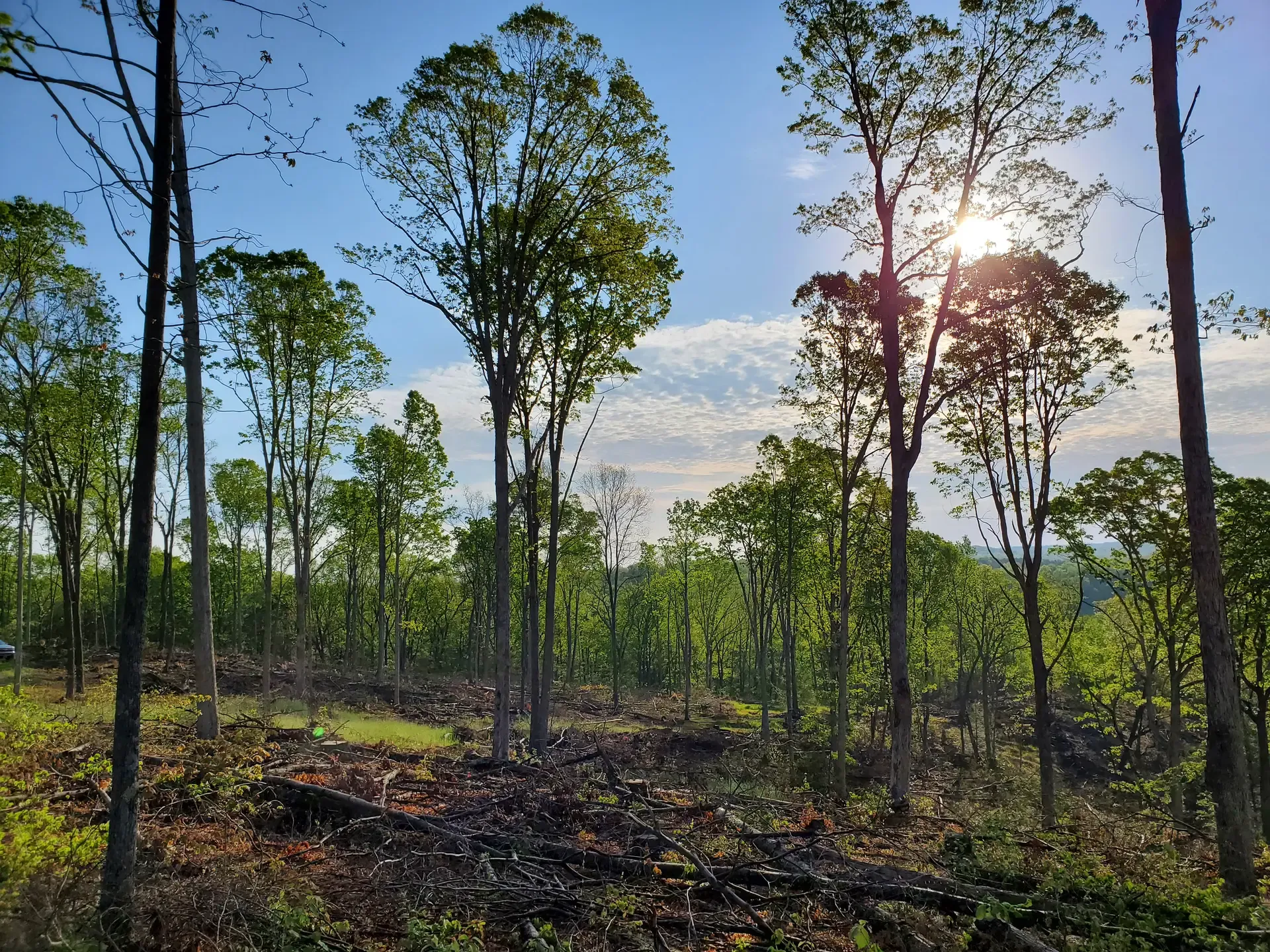
The White Oak Initiative is working to create a 50-year strategy to conserve American white oak trees—which support everything from wildlife to key industries like furniture and wine and spirits.

June 28, 2021
Launching an Innovative Collaboration Between Landowners and Consumers for Climate Change
The American Forest Foundation (AFF) and IvyCo are launching an innovative collaboration to fight climate change by bringing together family forest owners and individual consumers. AFF, a national conservation organization, works to empower family forest owners across the U.S. to make a positive impact on their land.
June 16, 2021
American Forest Foundation Statement on California Budget Passage
The American Forest Foundation, a national conservation organization that works to deliver conservation impact through the empowerment of family forest owners, releases the following statement in response to the California State Legislature passing the state’s 2021-2022 budget.
June 10, 2021
American Forest Foundation Applauds the Introduction of the Rural Forests Markets Act
The American Forest Foundation (AFF), a national conservation organization, that works to deliver meaningful conservation impact through the empowerment of family forest owners, today applauds Representatives Pingree (ME-D) and Stefanik (NY-R) on the introduction of the Rural Forests Markets Act.

May 26, 2021
Determining a True Carbon Benefit Part 2: Baselines
The Family Forest Carbon Program has created a new methodology, including an innovative approach to setting a baseline, similar to what is done in medical trials.

May 20, 2021
A Q&A with Kedren Dillard, SFLR Landowner, ATFS-Certified Tree Farmer & AFF Board Member
As a forest landowner, Kedren Dillard and her family have spent decades working on improving and maintaining the land that has been in their family for generations. This deep connection between the land and her family has created an emotional connection that fuels the passion that Kedren and her family have to do right by the land.
April 20, 2021
AFF to Empower Family Forest Owners in Georgia to Improve Wildlife Habitat
Washington, D.C. (April 20, 2021) – The American Forest Foundation (AFF), a national organization that works to deliver conservation impact through the empowerment of family forest owners, today announced it has received a grant totaling $350,000 from the USDA’s Natural Resources Conservation Service (NRCS) to help family forest owners preserve and improve forested habitat for at-risk wildlife in Georgia.
April 13, 2021
Determining a True Carbon Benefit Part 1: Additionality
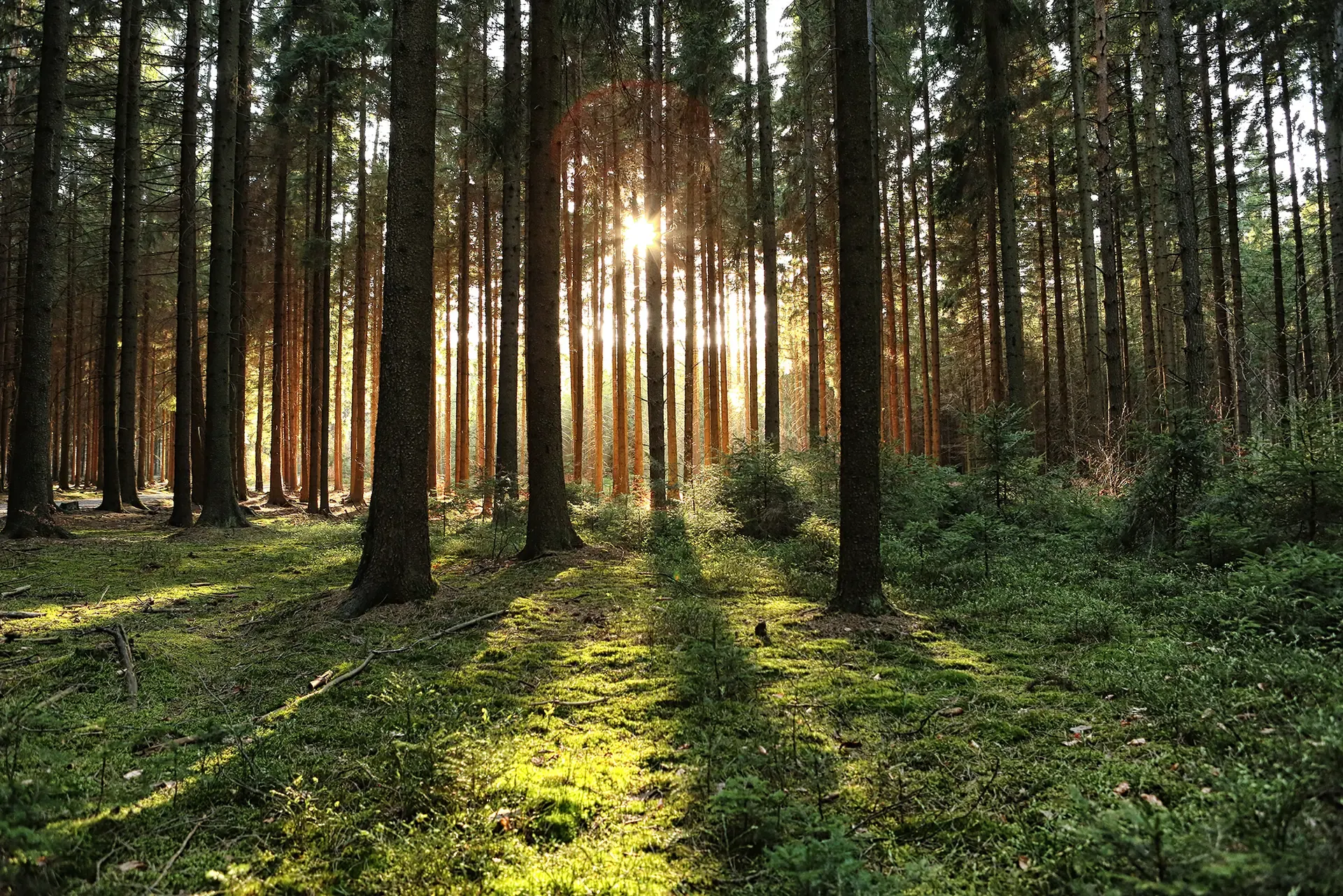
Of all the concepts in the world of carbon credits, perhaps the most difficult to understand, yet critically important is ‘additionality.’ Ensuring carbon additionality is essential to ensure a company’s climate investment is making a true, positive difference. Christine Cadigan, Senior Director of the Family Forest Carbon Program, further explains the concept.
April 13, 2021
American Forest Foundation Applauds the Re-Introduction of the Rural Forests Markets Act
The American Forest Foundation (AFF), a national conservation organization, that works to deliver meaningful impact through the empowerment of family forest owners, today applauds Senators Stabenow and Braun on the re-introduction of the Rural Forests Markets Act.
April 12, 2021
American Forest Foundation Statement on the Biden Administration's 2021-2022 Budget
The American Forest Foundation (AFF), a national conservation organization, that works to deliver conservation impact through the empowerment of family forest owners, releases the following statement in response to the Biden Administration 2021-2022 budget.
April 1, 2021
Partnership Helps Private Landowners Manage Thriving Habitats for At-Risk Species
AFF's partnership with the U.S. Fish and Wildlife Service's Partners for Fish & Wildlife program has been a guiding force for Leila Reynolds and brother Bill DuPre, aiding the pair in maintaining their West-Central Georgia forestland while also improving habitat for at-risk species.

April 1, 2021
Policy Goals and Updates for 2021
AFF is working with the incoming 117th Congress and the Biden Administration to implement the Forest Climate Working Group's new platform with policy proposals that speak to both Democratic and Republican lawmakers.

April 1, 2021
The Giving Tree
Making a monthly gift is an easy and efficient way to deliver meaningful conservation impact through the empowerment of family forest landowners.
April 1, 2021
Encouraging Lifelong Learnings
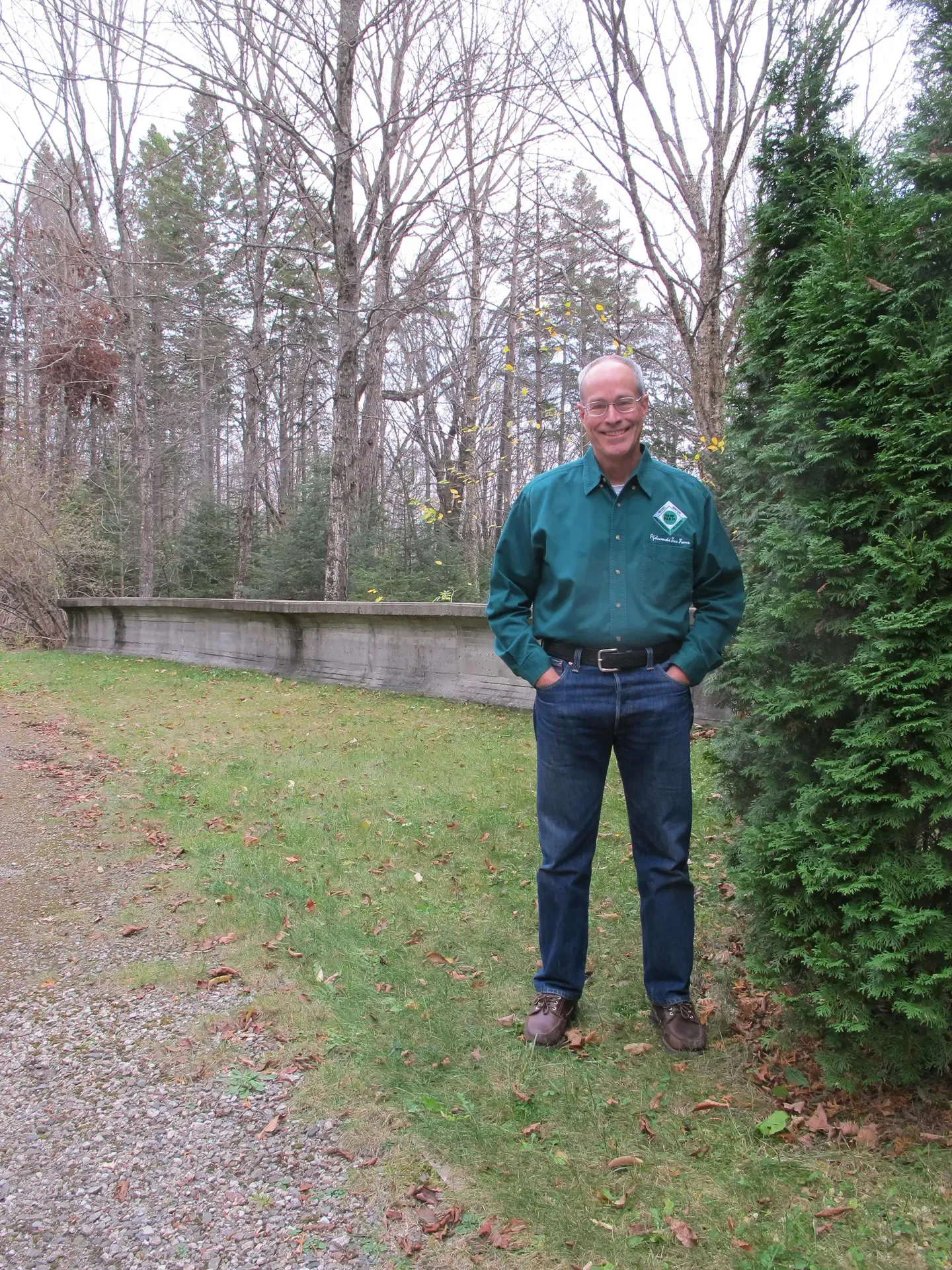
Al Robertson was introduced to the Dauerwald concept of forestry during his U.S. Army days in Germany. The concept dovetails with the American Tree Farm System's Standards of Sustainability in helping landowners become good stewards of their forestland.

April 1, 2021
Exploring Family-Owned Forests in New Hampshire
In celebration of 80 years of recognizing good forest stewardship, AFF looks at the goals and progress of three American Tree Farm System state affiliates have made. The forestland may be vastly different, but the Tree Farmers' commitment to stewardship remains the same.