Looking Back at Bear Town
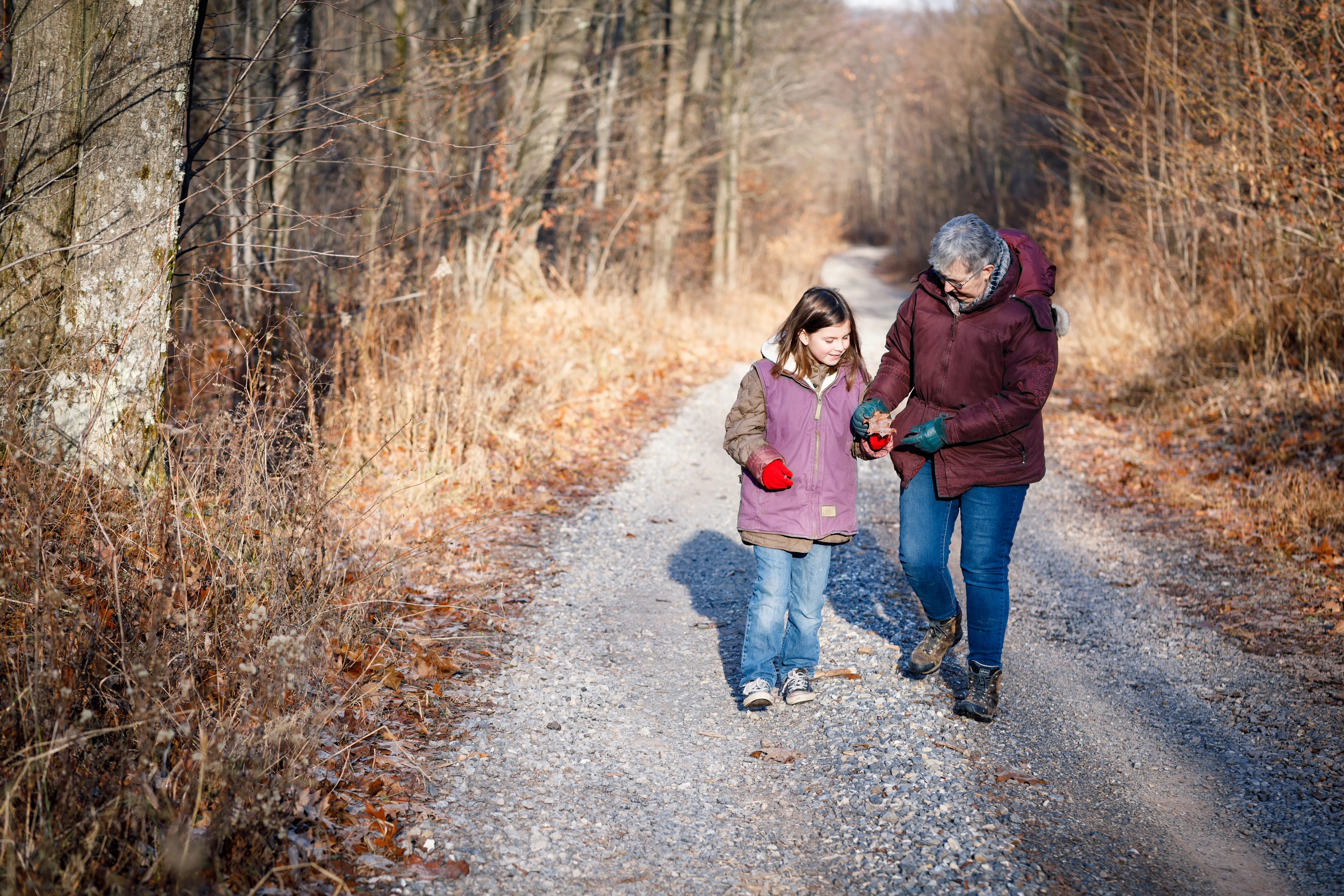
The Family Forest Carbon Program recently reached the milestone of 200,000 acres enrolled! This would not have been possible without our first cohort of 78 landowners who took a leap of faith in 2020 that led to a current network of over 1,400 landowners committed to sustainably managing a collective area larger than the land area of New York City.
FFCP caught up with Susan Benedict, our third-ever-enrolled landowner, to reflect on her six years with the program and what she is looking forward to in the future.
Susan’s experience with FFCP has been so positive that she decided to become a long-term donor, trusting that the program will continue to make a difference for future generations.
Susan inherited 2,000 acres of forestland near State College, Pennsylvania, fondly referred to as “Bear Town” due to the family’s many bear encounters, including a nosey brown bear trying to open their patio door and tour the house.
When her father took ownership of the property in the 1970s, he had no formal forestry experience but was determined to keep the forest healthy. This resulted in mistakes made and lessons learned the hard way.
Shortly after Susan inherited the property, the gypsy moth epidemic hit Pennsylvania. $1.2 million in timber was wiped out as the state’s markets declined, resulting in a 50% decrease in timber profits. Susan began researching programs to help her restore her forest and came across FFCP, which she found compelling due to its experienced forestry staff and emphasis on working with landowners to achieve their goals.
With the first FFCP payment, Bear Town was able to undertake a complete forest inventory and update their management plan, something Susan had been desperate to do following the gypsy moth infestation and another outbreak of emerald ash borer. Susan and her FFCP forester were able to fine tune their strategy to be more in line with their family workforce and capacity.
After beginning the habitat work outlined in the management plan, beavers returned to the property for the first time since the 1990s, when heavy logging had forced them to relocate. The beavers got straight to business, building a dam that protected Susan’s waterline and prevented her pipes from freezing in the winter. They also cleared out aspen trees and other small vegetation to allow for thicker regeneration, helping restore the forest’s ecology and biodiversity.

One goal of Susan’s management plan was to increase foodstuffs for people, wildlife, and pollinators. Since joining FFCP, she completed a Conservation Stewardship Program contract with the USDA to plant 10 acres of tree seedlings each year for five years at 2500 seedlings per year. She also increased the land’s hunting goals to remove a minimum of 35 deer per year and installed food plots and permanent blinds on the property to improve the hunting experience. This not only helped more tree seedlings survive but led to the flowering of other plants like trillium, rhododendron, trailing arbutus, and woodbine.
“Our participation in FFCP has helped us appreciate our mature forest in a way we might have missed otherwise,” Susan shared.
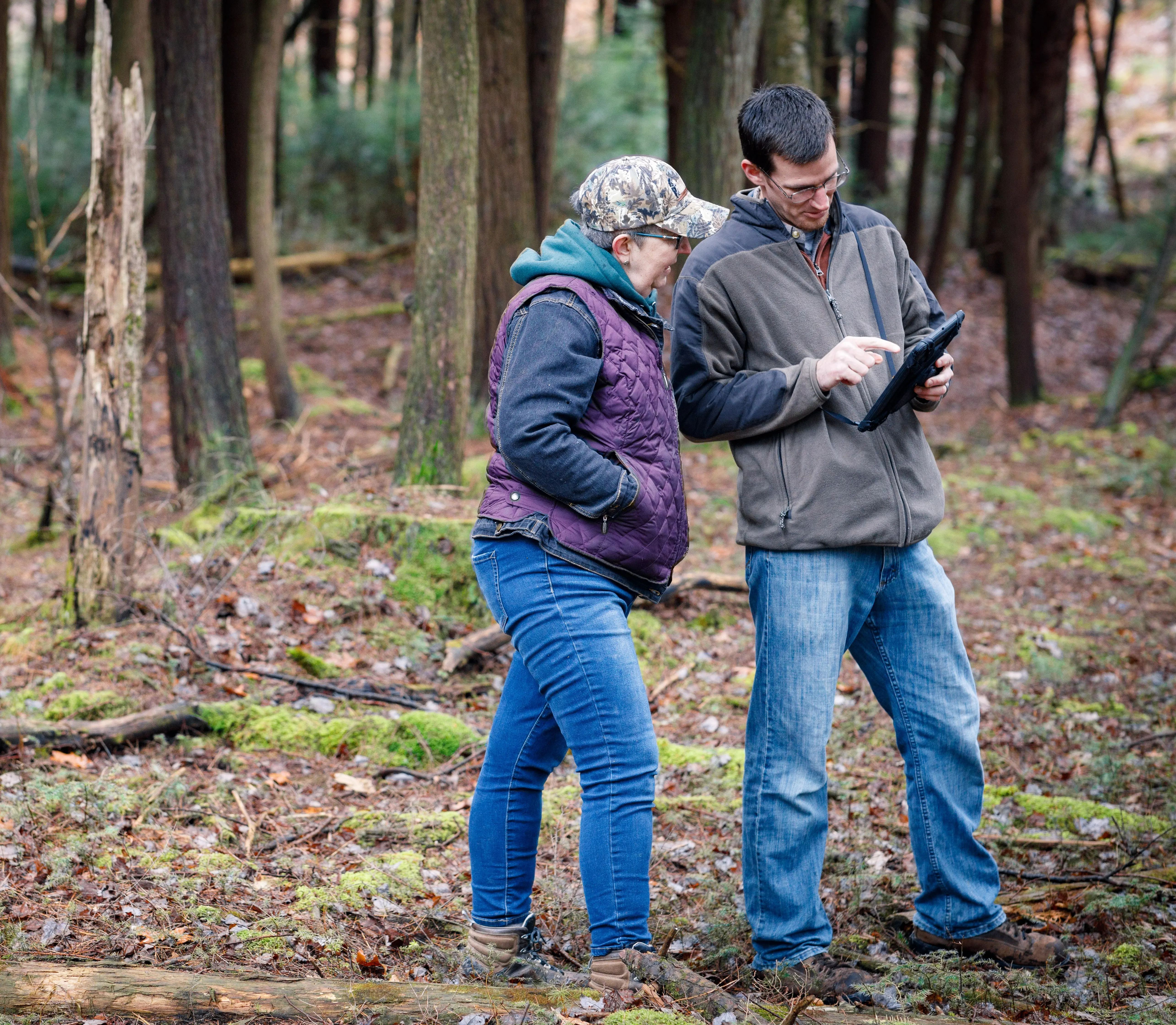
Within the FFCP project boundaries of Bear Town, she’s noticed much greater species richness, frequently seeing deer, bears, bobcats, foxes, coyotes, fishers, smaller rodents, timber rattlesnakes, newts, and many insects and pollinators. The mature forest also provides necessary shade for their pristine trout stream.
Susan uses her annual FFCP payments to purchase tree seedlings, maintain the perimeter of her land, and repair the roads — important work that often gets neglected when times are tough. Every leftover penny goes to property taxes.
“To anyone considering joining the program, I would say that FFCP has empowered my family to improve the health of our forest. It is very gratifying to move through an ecosystem where all the pieces that should be there are present,” Susan said. “The contract can be daunting, but you should consider what you might lose if you do not participate. Without the annual payments and technical expertise I received, there’s no way I would have been able to care for the health of my land long term. FFCP has been a blessing to my land and my family.”
As we celebrate 200,000 acres, stories like Susan’s show the lasting impacts that sustainable management can have on forest resilience, wildlife, water quality, and rural communities. Bear Town is an example of what forests are capable of when landowners are given the support and resources necessary for proper stewardship.
Related Articles
May 6, 2026
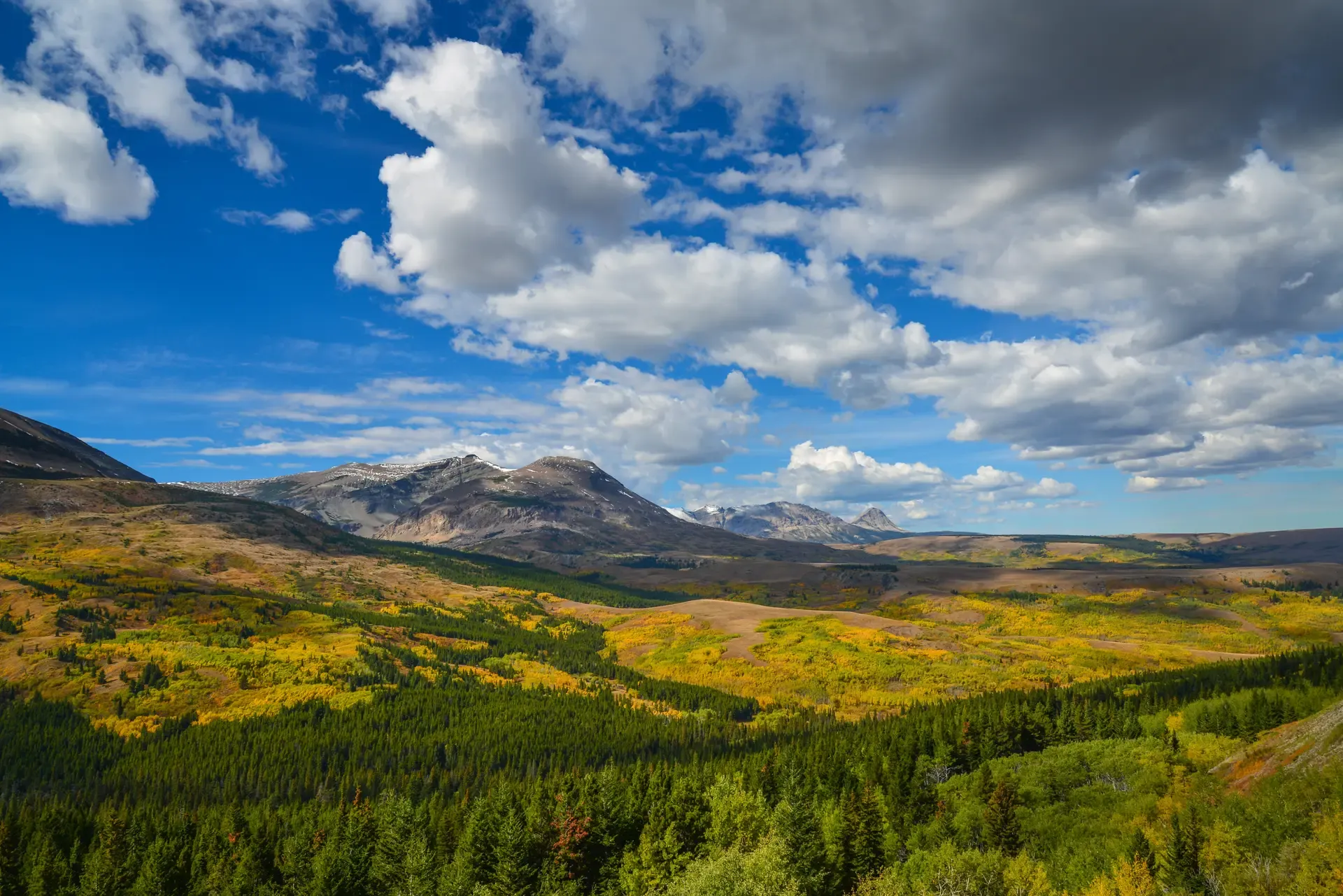
Family Forest Carbon Program Enrolls 200,000 Acres
Today, the American Forest Foundation’s (AFF) Family Forest Carbon Program (FFCP) reached 200,000 total acres enrolled, a major milestone in its efforts to support family landowners, bolster rural economies, and deliver meaningful conservation impact.
July 21, 2023
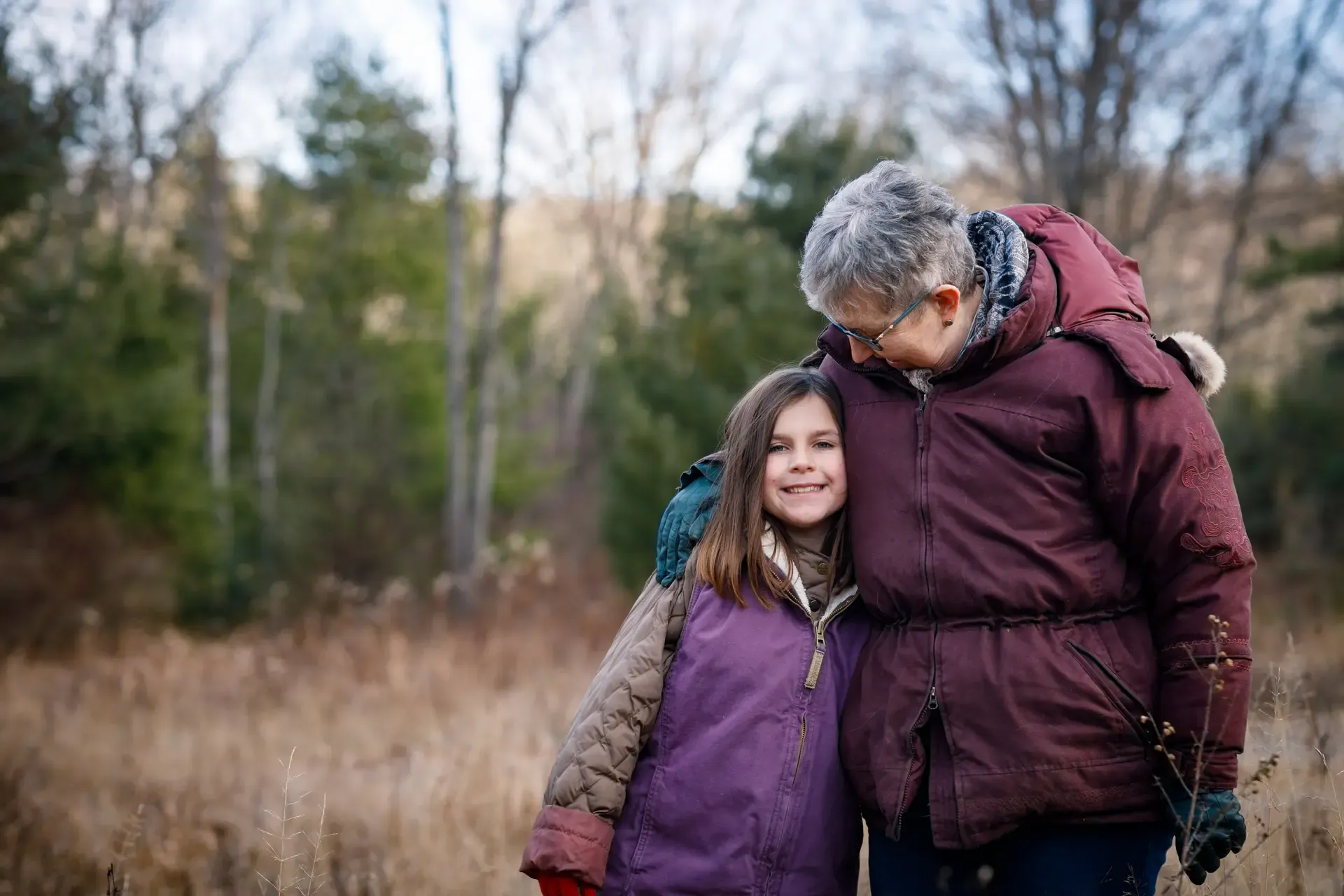
Bringing Beavers Back to Bear Town
Susan Benedict inherited forestland that's been in her family for three generations. With habitat work done alongside AFF, beavers have returned to her land.
April 7, 2026
The Family Protecting the Poconos
The DeSeve family owns 100 acres of forestland nestled in the Pocono mountains, halfway between Philadelphia and New York. After joining the Family Forest Carbon Program and with the help of their forester, they are exploring ways to protect their trees, raise new trees, grow mushrooms for biodiversity, protect wildlife, and improve water quality.