Tackling Wildfire Through Partnership: AFF’s Stacked Benefits Model
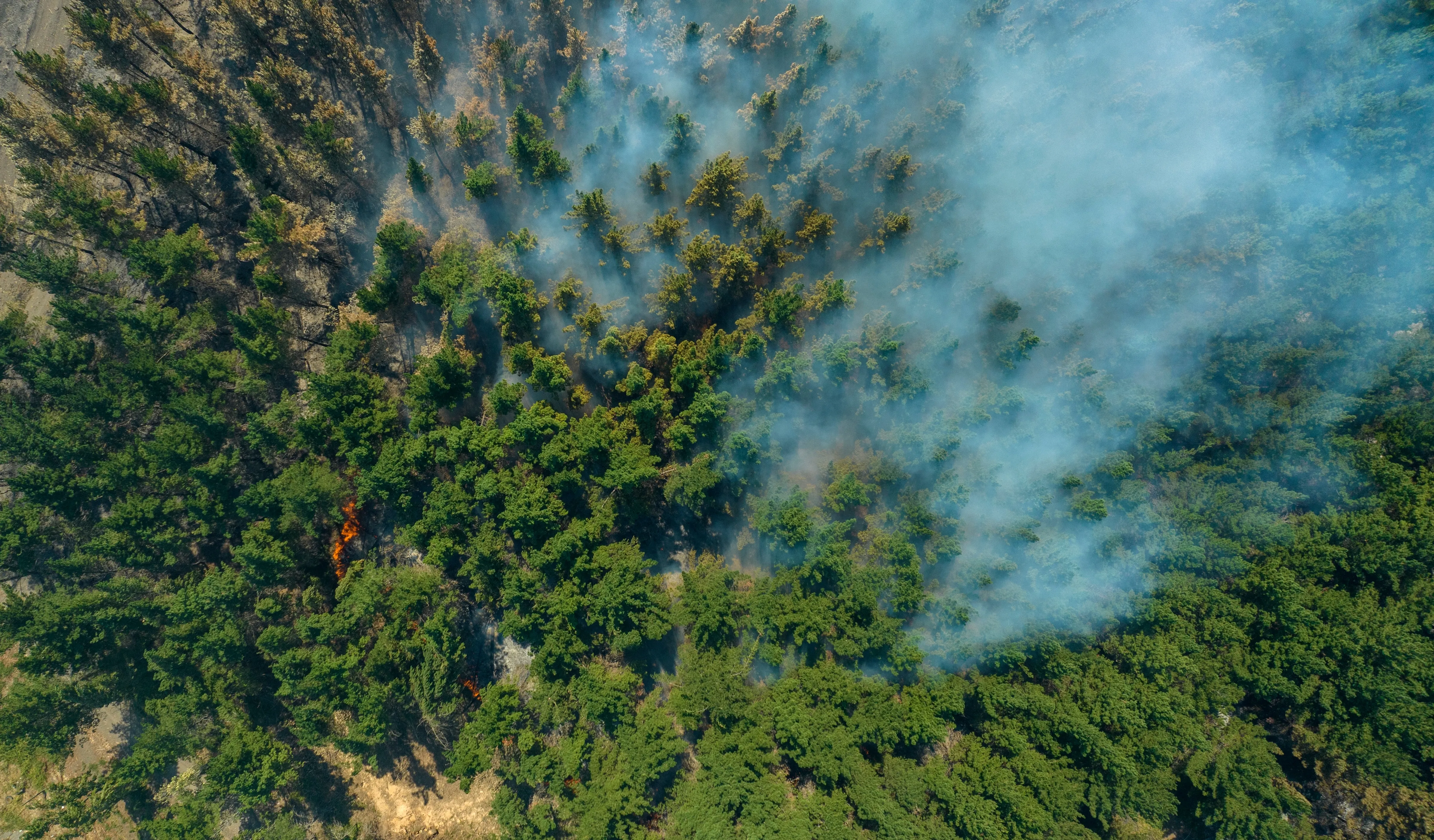
A few miles outside Grass Valley, California, a narrow road winds past homes tucked into dense forest. From the ground, it is easy to forget that these trees are doing something extraordinary. They are standing between the community and the next wildfire.
For many families, this land has been passed down for generations. They know every bend of the creek and every oak that shelters deer in summer. They want to take care of it, yet in a fire-prone landscape, wanting is not always enough to make it a reality. Fires feed off what we call fuel or biomass, which is any material capable of burning, including dead leaves, grasses, shrubs, and trees. The work required to remove this can reach up to $5,000 per acre. It is highly technical and resource-intensive, barriers that keep family landowners from being able to treat their lands proactively for wildfire resilience on their own. But now more than ever, we need family forest owners to be equipped with the right tools to increase their lands’ defense against increasingly catastrophic wildfires.
This is where AFF’s stacked benefits model comes in.
Rather than asking families to shoulder the burden alone, AFF brings together partners who depend on these forests: state agencies working to protect communities, electric and water utilities safeguarding their infrastructure and supplies, and climate investors seeking durable carbon outcomes. Each partner is incentivized to invest in protecting family lands from wildfires for their own individual desired outcomes.
The result is a simple idea: When all beneficiaries contribute, families can act.
Healthier forests then return the favor. When all stakeholders invest in proactive treatments on family lands, they burn less intensely, retain more carbon, protect roads, power lines and water conveyances, and create safer conditions for firefighters. They become what they were always meant to be: a resilient barrier between wildlands and communities.
Unlocking Wildfire Resilience Through a Stacked Benefits Model
At its core, the stacked benefits financing model is a partnership model. It matches the full suite of benefits healthy forests provide with the full suite of partners who rely on those benefits. Since no one party holds all the risk or fiscal demand, the model builds a financing “stack” that aligns contributors with the specific value they receive. This creates a sequence of funding over time, with the bulk investment made upfront by anchor partners to de-risk subsequent private investment. As benefits stack together, each layer helps unlock the next.
-
Public agencies and utilities anchor early wildfire risk reduction
The first layer of the stack consists of anchor partners who invest in upfront fuels reduction to reduce wildfire risk to people and infrastructure around high-risk communities. Public agencies at the state and federal level, as well as electric and water utilities companies, could play a critical role as anchor partners—which in turn protects the people and infrastructure they care most about. But this success depends on collaboration.
-
Private climate buyers fund long-term climate and ecosystem benefits
With early risk and high upfront costs absorbed by anchor partners, the model can draw in private buyers interested in funding ecosystem services like avoided wildfire emissions, biochar carbon removal, and other measurable environmental outcomes. Recent research strengthens the case for this investment. Work by Yackulic et al. (2025) shows that forests proactively treated for wildfire resilience retain more carbon, burn less severely, and remain more resilient to drought and stress. This allows companies seeking climate mitigation and community resilience outcomes to invest in high-quality avoided emissions and biochar credits that are rigorously monitored and verified. These revenues help sustain long-term forest health and uphold the climate benefits of treatment.
-
Landowners receive funded treatments and technical support
With early investment secured, AFF can enroll family landowners in 10-year stewardship agreements that implement proactive fuels treatment. AFF and local partners such as Resource Conservation Districts (RCDs) handle planning, contracting, and execution, helping families understand their options and carry out needed maintenance over time.
-
Benefits are measured, verified, and reinvested
As landowners engage in this work, revenue from carbon and co-benefit markets accrues and helps maintain their forests. Maintenance costs are far lower than initial treatment but still significant. These activities may include prescribed burning, herbicide application, or the creation of biochar burn piles that produce high-quality biochar for on-site use. This biochar helps retain soil moisture, reduce erosion, and support overall ecosystem function. All of this work must be done in close partnership with landowners to return these fire-adapted ecosystems to their full health.
Why This Model Works
-
It matches benefits with beneficiaries
-
It strengthens, not replaces, existing local capacity
-
It makes action possible for families
-
It is built on scientific evidence
Scaling the Model
Over the coming years, AFF will pilot the stacked benefits model for wildfire resilience with a coalition of public and private partners. These pilots will help strengthen the evidence base for demand across the benefits stack and show that partnership-driven approaches can scale.
Our goal is straightforward: make it possible for every family forest owner to help protect their land and community from catastrophic wildfire damage and access the support they need to do so.
The Path Forward
Wildfire resilience requires shared commitment. The stacked benefits model aligns funding with real-world value, builds durable partnerships, and ensures families are not left to face the wildfire crisis alone.
When the partners who benefit from fire-resilient forests come together, families can act and forests can recover. And when families see their land healthier, safer, and still theirs to steward, the stacked benefits model transforms from a financial mechanism to a source of hope. Learn more about AFF’s wildfire mitigation work here.
Related Articles
October 17, 2025
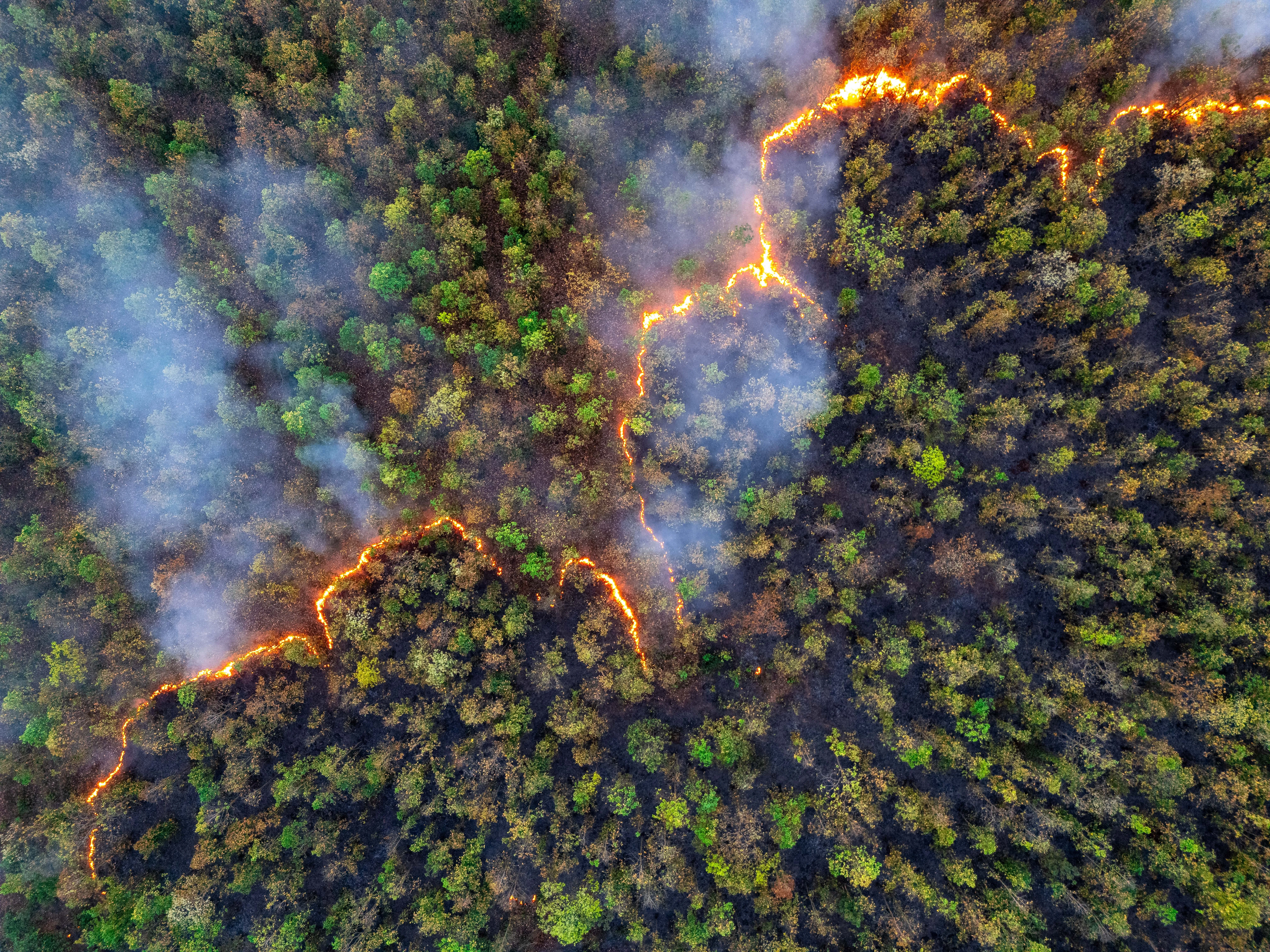
Family Forests: the Missing Link to Solving the Wildfire Crisis
Family forest owners steward the majority of U.S. forests near where people live. They border populated communities like towns and cities, making them the first line of defense for millions of people and critical urban infrastructure. This makes family forest owners invaluable partners in the fight against catastrophic wildfire. Many of these landowners have already stepped up to restore their lands and protect their neighbors, and this population is poised to contribute in even greater ways, if given the right tools and support.
September 9, 2026
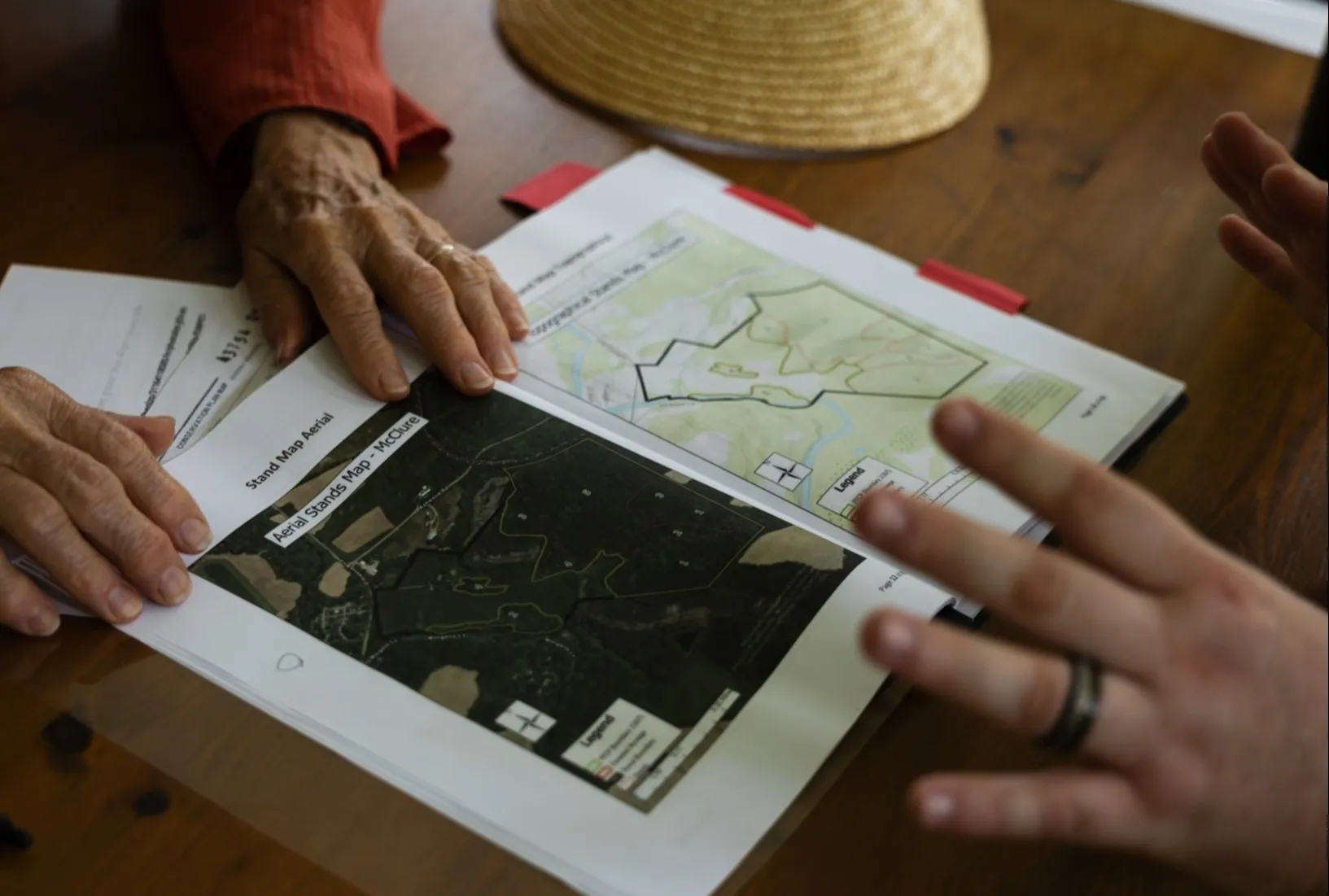
A Roadmap for Your Woods: How Forest Management Plans Help Landowners
A woodland can provide income, wildlife habitat, natural resources, and memories for generations. Learn how a forest management plan can help you make decisions with the future in mind.
September 9, 2026
Is FFCP Right For You? Part 1: You Want to Work with People You Trust
The Family Forest Carbon Program is run by the American Forest Foundation (AFF), a trusted non-profit in forest conservation since 1932. In 2020, we partnered with the Nature Conservancy to launch FFCP, with the goal of giving small, private forest landowners access to the voluntary carbon market. The day-to-day operations of the program are run by AFF, and our team is made up of experts in forestry, finance, customer service, and fundraising, to name a few.