Helping Audubon Vermont Spread Their Wings to Reach More Family Woodland Owners
Vermont’s forests are home to some of the highest diversity of breeding birds in the United States—making this region globally important habitat for migratory birds and many other wildlife species.
Jim Shallow knows this all too well. As the managing director of the Audubon Vermont's Forest Bird Initiative, he has been working for two decades to conserve and improve the forests across New England so that they continue to support migratory birds
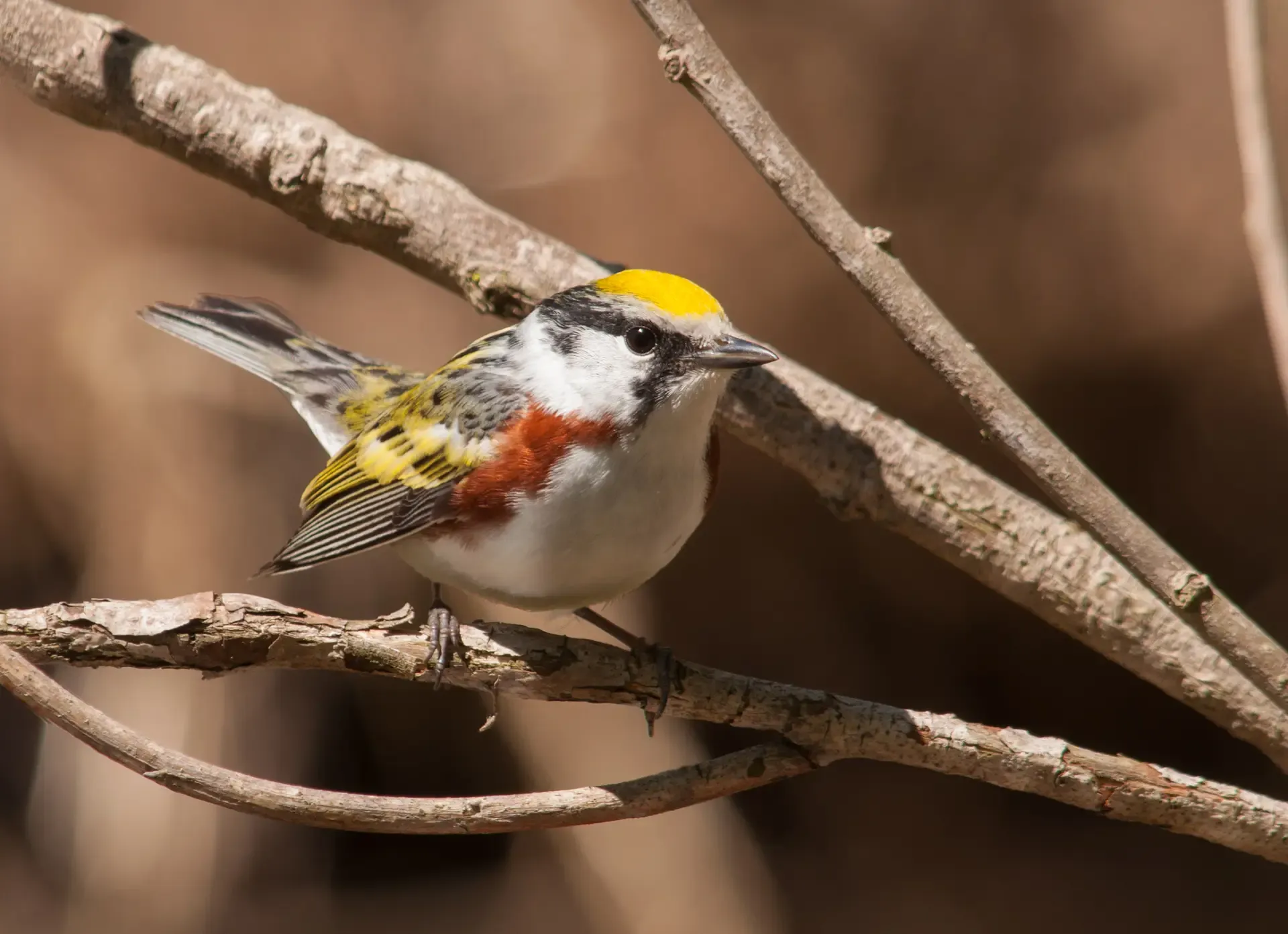
Chestnut-Sided Warbler.
And under Jim’s watch, Audubon Vermont has been a well-known pioneer in the region. Always testing and trying new tactics to help advance their work, they have engaged over 440 landowners to provide management advice on nearly 300,000 acres. And their Foresters for the Birds program has trained hundreds of foresters and was nationally recognized in 2013 with a Wings Across the Americas award. But while they have had success, they have had challenges too, especially related to staff capacity, reach and ability to follow up with landowners on implementation.
So when Jim received a request to meet with members of the American Forest Foundation (AFF), a national conservation non-profit, he jumped at the chance.
In the fall of 2015, he sat down with AFF’s northeast director of conservation, Christine Cadigan, along with Vermont Tree Farm Committee’s Kathleen Wanner. He knew of AFF through the American Tree Farm System, but he had always viewed them as an organization that worked to increase the number of landowners actively stewarding their land, but not necessarily with bird habitat in mind, or with a goal of addressing at-risk species.
Together, Christine and Kathleen shared how AFF was expanding beyond its core programs, working to dramatically increase the number of woodland owners actively caring for their forests, specifically to help create better wildlife habitat across the Northeast. And how in Vermont, AFF, with their local American Tree Farm System committee and the Vermont Woodlands Association, they were looking to create a partnership with other local organizations to make this happen.
Jim was intrigued. AFF’s new conservation efforts were right in line with his program goals—to create more acres of better habitat. He knew that family woodland owners were a big opportunity area in Vermont, as roughly 80 percent of the forests are owned by them. But given their limited capacity and resources, they had only worked a limited number of landowners in southern Vermont.
Jim was impressed with AFF’s new fresh way of thinking about outreach and engagement. They agreed to partner.
Over the course of the next few weeks, the partnership, which they named ‘Woods, Wildlife and Warblers' began to take form.
They started first by tackling Audubon’s capacity issue, which AFF was very committed to solving. AFF dedicated funds to bring on additional foresters and they set up a system to handle the workload. AFF, through the VT Tree Farm Committee’s mentor volunteers and additional consulting foresters, would pay a visit to the landowner first and help with management plans. If the property was right for bird habitat, Audubon would send out a biologist to discuss the best activities needed to create the habitat. This flow helped relieve Audubon staff time, and allowed them to concentrate on their opportunities that mattered most. Making it even smoother, AFF had a database for tracking actions and coordinating follow-up.
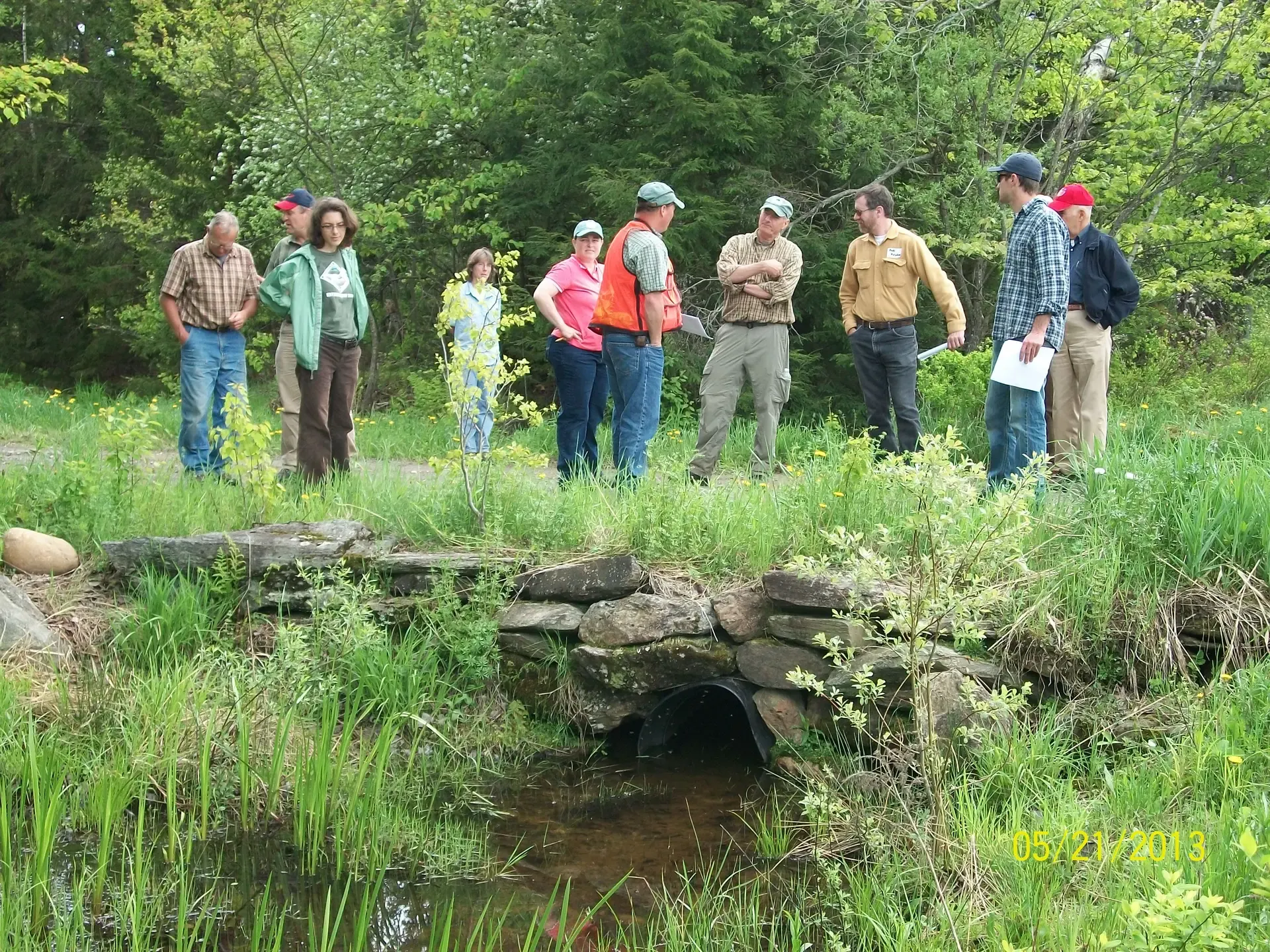
Tree Farm Tour hosted by the Vermont Tree Farm Committee.
With operations in place, they began to test different outreach messages based on AFF’s research and past experience with family forest owners. Jim was impressed by the methodical process AFF took on messaging and testing to ensure they were learning from every outreach and sharing it with all partners involved.
It helped his team refine their thinking about landowners. Better understanding woodland owners’ different attitudes to managing, and their different motivations, helped them connect with people they hadn’t been able to in the past. This was opening doors to new potential bird habitat management.
In addition to the work in the woods, AFF, the Vermont Tree Farm Committee, the Vermont Woodlands Association and Audubon together began addressing the challenge of ongoing funding to keep the project alive. AFF, being a national organization, brought new connections beyond local organizations' small networks, and soon they were attending meetings with new funders and even companies from the forest products industry.
This was a huge positive change for Vermont Audubon. In the Northeast, it was uncommon for conservation and industry to have close connections. But with AFF’s history in sustainability, it created a safe space for open conversation. Jim could tell within a short time that their credibility with the forest industry was increasing.
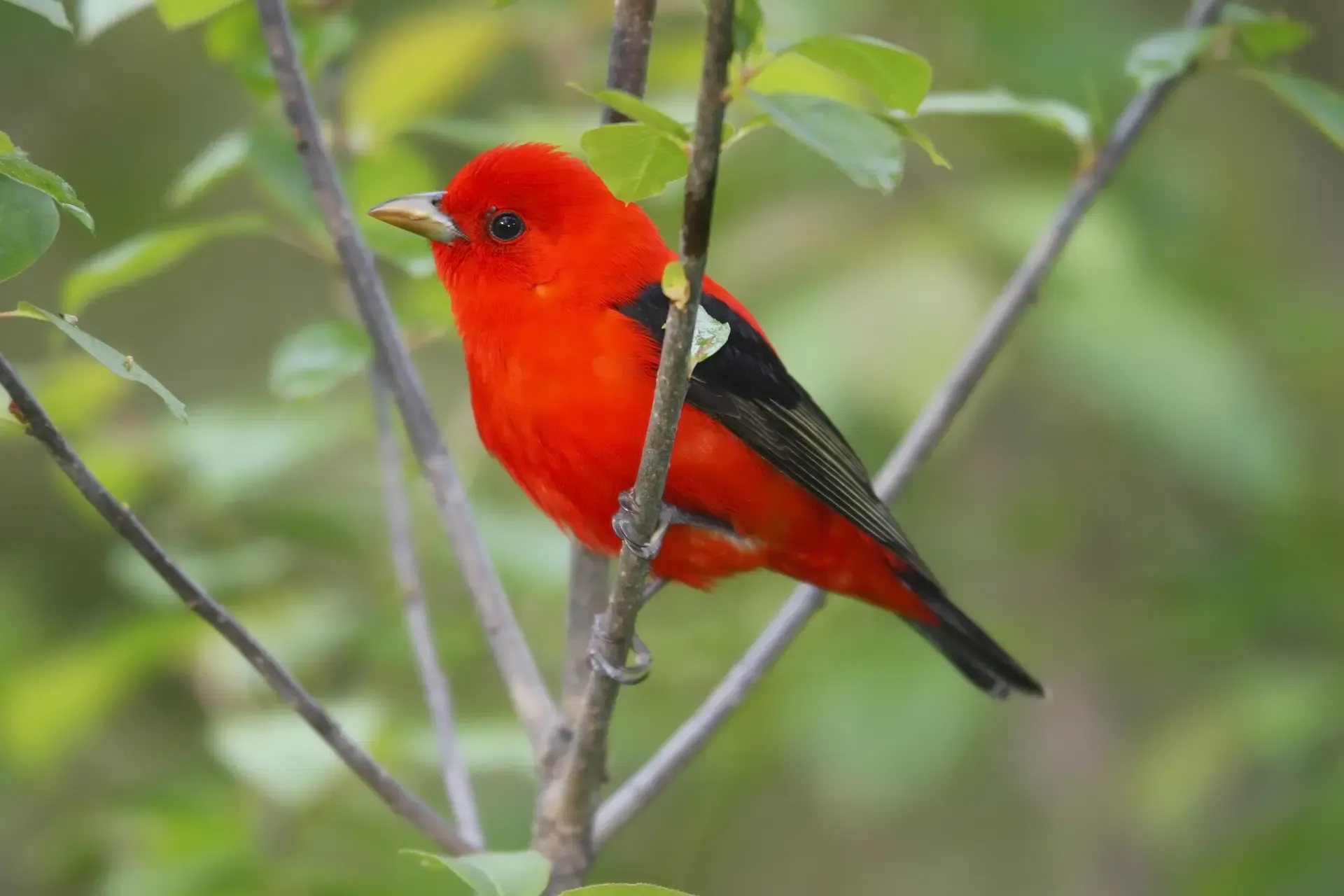
A scarlet tanager.
Now, three years into the project, the collaboration of these groups is already showing results. Up and running, the partnership has more than 500 landowners who have indicated they are interested in helping, more than 40 who have already met with professionals, several of whom are already working to improve nearly 1,000 acres.
Other state Audubon programs have taken note as well, with interest in replicating the partnership. Jim is excited to help make this happen, as he sees the potential to truly have an impact across the region.
Related Articles
June 18, 2026
Federal Partnerships Fuel Growth for Family Forest Owners and the Forest Economy
The Family Forest Carbon Program doesn’t just create environmental benefits — it also helps strengthen the entire forest economy. Today, thanks to catalytic funding from key partners, FFCP has enrolled more than 200,000 acres, creating new educational and economic opportunities for landowners and foresters across the country.
May 28, 2026
Fighting Forest Invasives For A Healthier Future
Laura and Mike Jackson were among the first-ever landowners to enroll in the Family Forest Carbon Program (FFCP). As one of the 78 members of FFCP’s first cohort, they launched the program to become a current network of over 1,400 landowners stewarding over 200,000 acres of land across the Eastern United States. The Jacksons shared how the program has helped their forest goals these past 6 years.
May 13, 2026
Looking Back at Bear Town
FFCP caught up with Susan Benedict, our third-ever-enrolled landowner, to reflect on her six years with the program and what she is looking forward to in the future.