Nature is Worth Investing In: Breakthroughs in the Voluntary Carbon Market
As we head into Climate Week, it’s worth pausing to take stock of how far the voluntary carbon market (VCM) has come. For years, this space has been scrutinized, challenged, and even questioned—but over the past few years we’ve seen positive breakthrough after breakthrough, which shows just how much progress has been made.
Nature itself is dynamic, resilient, and ever evolving. The same is true for the community of people working tirelessly to harness its climate-fighting power in a measurable and credible way. And here’s the truth: we cannot count nature out. If we do, we lose the fight against climate change.
The last few years have brought more rigor, more integrity, and more confidence to natural climate solutions. While challenges remain, the evidence is mounting—this market is maturing, and fast. Let’s look at some of the biggest strides.
The Dynamic Baseline: A Breakthrough for Integrity
One of the hardest questions in carbon markets has always been: how do we know the impact is real? How do we ensure the credits purchased are tied to true, measurable reductions in emissions—not just “business as usual”?
That’s where the dynamic baseline comes in.
Developed by the American Forest Foundation (AFF), The Nature Conservancy (TNC), and TerraCarbon—and first deployed in the Family Forest Carbon Program— Verra’s Improved Forest Management Using Dynamic Matched Baselines from National Forest Inventories, v1.2
(VM0045) introduced this groundbreaking approach to forest carbon accounting.
Here’s how the dynamic baseline works: instead of relying on static assumptions about what would happen in the absence of a project, the dynamic baseline continuously compares enrolled forestlands with similar non-enrolled lands over time. It’s a “matched pairs” design, allowing for a far more accurate measurement of carbon impact.
The effect is simple but powerful: confidence. Buyers, auditors, and the public can trust that the credits represent real climate benefits. So powerful, in fact, that dynamic baselines are now becoming the standard of integrity across the market.
This one innovation has rewritten the rules for forest carbon accounting and raised the bar for what credibility looks like.
The CCP Label: A Global Standard of Trust
This summer, the market earned another big win.
In August, the Integrity Council for the Voluntary Carbon Market (ICVCM) awarded the Core Carbon Principles (CCP) label to the first two Improved Forest Management (IFM) methodologies— VM0045 and ACR’s Improved Forest Management on Non-Federal U.S. Forestlands (Version 2.1).
This recognition matters. For years, companies and stakeholders have asked: how do we know what’s credible? How do we separate high-quality carbon credits from weaker ones? The CCP label is the answer.
And it’s not just forests. Alongside IFM, three biochar methodologies also received the CCP label, adding to the growing list of REDD+, ARR, and other approaches that have already been approved.
The message is clear: the market is moving beyond debate and toward standards that the world can trust. For companies looking to act, there’s now a globally recognized marker of integrity to guide investment.
Companies Are Stepping Up
Progress in methodologies is vital, but progress in action is what changes the atmosphere. And we’re seeing that, too.
Leaders like Netflix, Meta and Microsoft have accelerated their buying, setting an example for others to follow. But perhaps more importantly, these leaders are pioneering new ways to accelerate the market, through bankable offtake agreements and advance market commitments.
Here’s why this matters: Developers need upfront capital to get projects off the ground, refine their science, and prove their business models to lenders. By committing early to buy future credits, companies de-risk the space, ensure demand, and provide the cash flow that makes innovation possible.
That kind of leadership is already paying dividends—literally. Developers are reinvesting dollars back into the science and infrastructure that will continue raising the bar for integrity. It’s a virtuous cycle: corporate action fuels better science, which fuels higher-quality credits, which fuels more confidence in the market.
This is the kind of momentum that Climate Week is all about.
Proof Nature Is Worth Investing In
All of this progress tells a clear story: the challenges of the VCM are being met head-on with new science, standards, and corporate leadership.
Is there still work to be done? Absolutely. We need more transparency, broader adoption, and stronger policies to complement the voluntary market. But the trajectory is unmistakable. We are answering the hard questions, and we are building a system that works.
This year’s Climate Week is more than another convening of climate leaders; it’s a celebration of how far this community has come. The VCM is proving its worth and most importantly, it’s proving that nature is worth investing in.
Companies: now is the time to act. The tools, standards, high-integrity science are here. Invest in nature, invest in the science, and invest in the future we all share.
For fellow developers and climate leaders: let’s keep pushing. The breakthroughs of the past few years show what’s possible when science, collaboration, and determination align. Let’s keep raising the bar and proving that nature can deliver.
This Climate Week, let’s celebrate our progress—and recommit to the work ahead. Because nature isn’t just part of the solution. Nature is the solution. And it’s one worth betting on.
Related Articles
August 27, 2026
How much would it cost to participate in a permanence trust?
Any risk management tool in the carbon market requires some form of payment to ensure the project’s claimed impact even if something goes wrong. Buffer pools set aside a percentage of credits up front, while insurance typically comes with annual premiums. Everyone’s paying something to someone, but is the return worth it?
July 14, 2026
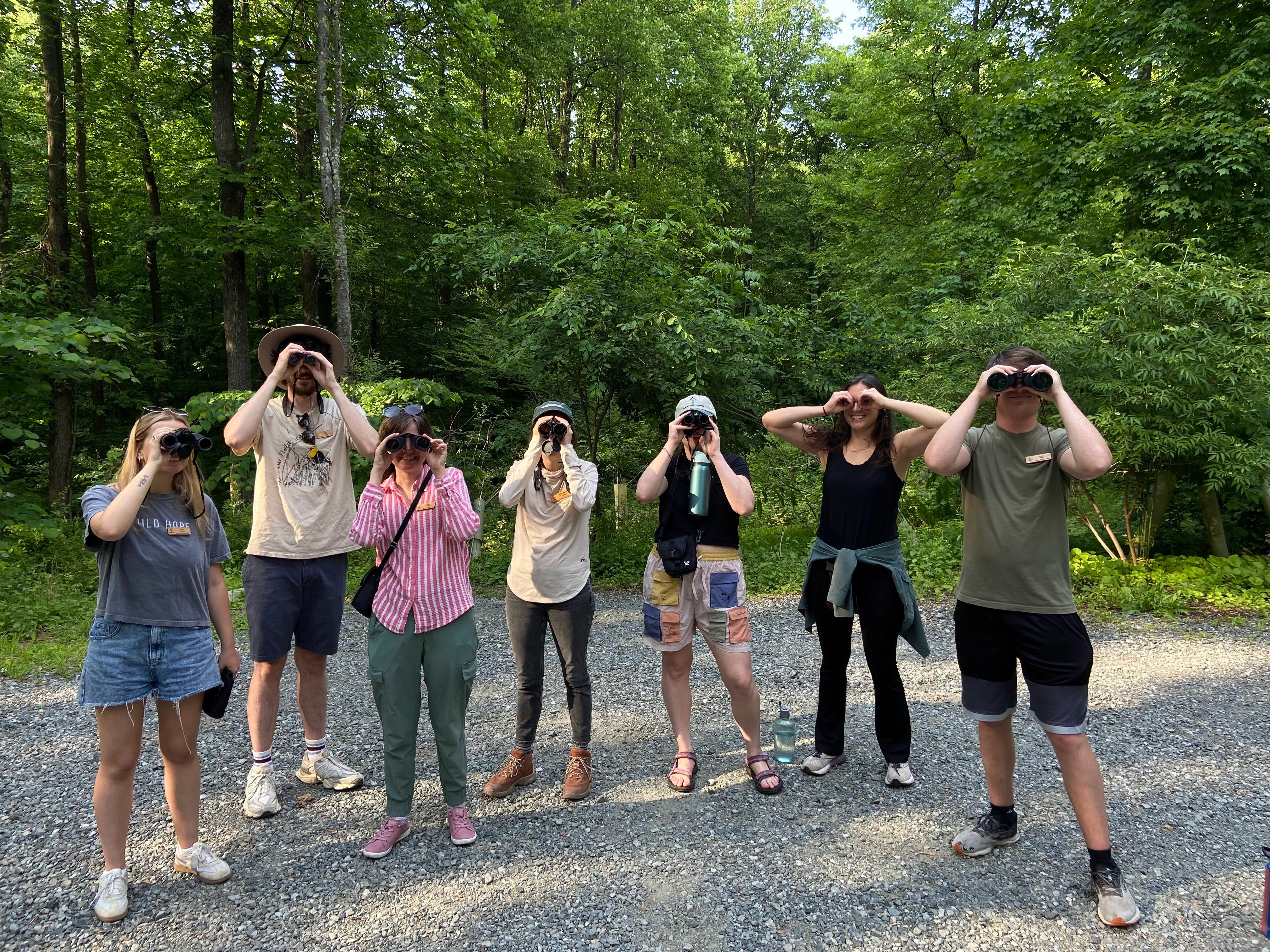
Behind the Mission: Our Annual Team Retreat
Recently, the American Forest Foundation team came together for our annual retreat. This year, we spent a week in the beautiful rolling hills of Pennsylvania’s Lehigh Valley. Throughout the week, we participated in a variety of activities centered around sharing our specialized knowledge, what we’ve learned in the past year, and exploring how we can continue growing our impact.
June 18, 2026
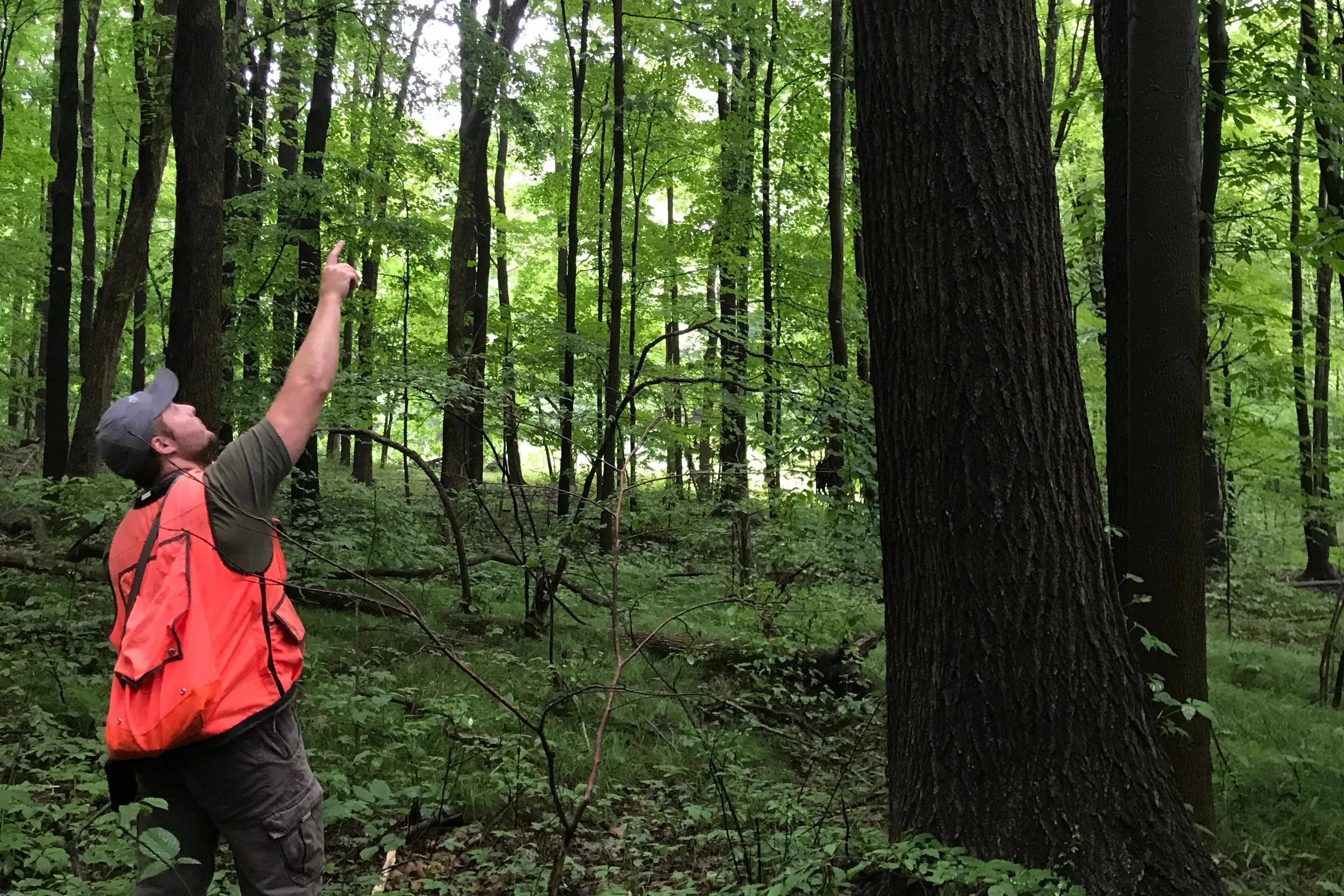
Federal Partnerships Fuel Growth for Family Forest Owners and the Forest Economy
The Family Forest Carbon Program doesn’t just create environmental benefits — it also helps strengthen the entire forest economy. Today, thanks to catalytic funding from key partners, FFCP has enrolled more than 200,000 acres, creating new educational and economic opportunities for landowners and foresters across the country.