AFF Launches Pilots in GA, SC and FL to Grow ATFS Certification Three-Fold

Tree Farm sign from the property of Jon and Carol Gould (FL).
With consumer calls for transparency and environmental responsibility at an all-time high, brands and forest products companies alike have increased their demand for certified wood fiber, particularly in the paper, packaging and biomass markets.
While some of the wood that flows into these supply chains comes from corporate or public-owned forestland, family-owned forestland accounts for as much as 50% of our nation’s wood supply. In parts of the Southeast, that proportion is even higher.
Certification is a valuable tool that affirms family forest owners in their commitment to responsible forest management while providing forest product companies with the assurance that their purchasing practices are sustainable. As the preferred pathway to third-party certification for family forest owners in the United States, the American Forest Foundation’s American Tree Farm System (ATFS), combines the rigor of independent third-party verification with educational and networking resources to maximize value to landowners and buyers of wood products. ATFS’s certification program is internationally-recognized and endorsed by the Programme for the Endorsement of Forest Certification (PEFC).

For family landowners, being certified in ATFS validates good forest stewardship and provides access to free or reduced professional resources to help them care for their land. For some, however, the certification process can be long and slow. In fact, across the U.S., fewer than 10% of family lands in the U.S. are certified.
“We have been hearing from our partners in the forest products industry that they are working to source more and more certified fiber each year, which is great. It shows their commitment to sustainability and healthy forests,” says Angela Wells, Director of ATFS. “On the flip side, we know that landowners want to do right by their land and help wildlife and biodiversity, while still being able to bring in income to help financially support their stewardship. But certification is complex.”
“We at AFF have spent a considerable amount of time over the past few years testing new strategies and technologies to get more landowners enrolled in ATFS efficiently to meet the needs of both the market and landowners.”
Starting in 2018, AFF began working with partners to expedite the certification process in Alabama and the Florida panhandle. Because of the program’s efforts, AFF saw an increase in the number of new ATFS certified acres in the pilot areas by nearly 600% and increased the number of new certified tree farms by over 300%.
Starting this year, AFF is expanding these efforts to South Carolina, Georgia, and the rest of Florida, three key states for wood fiber sourcing that also play a critical role for forested habitat and biodiversity.
Within these pilots, AFF hopes to increase the growth rate of certified acres by three times its current pace annually.
To do this, AFF is expanding several tools that reduce barriers and expedite the process of ATFS enrollment for foresters and landowners alike, including:
Regional certification management, where ATFS staff assist state program administrators in guiding landowners through the stages of the certification journey.
AFF is also testing additional new strategies. For landowners, this may mean new marketing materials or incentivizes to participate. For foresters and inspectors, this may mean payment mechanisms to better compensate them for successfully engaging landowners in ATFS and maintaining their participation in the program. AFF is also exploring alternate forms of monitoring for ATFS inspections using remote technologies.
“ATFS continues to be a valuable program for both landowners and companies who care about and utilize our forests,” says Wells. “As times change, we know there are ways we capitalize on emerging technologies to better serve everyone. Whether it’s helping landowners overcome barriers to cost, saving time for foresters, or providing assurance to supply chains, we want to bridge the gap between conservation and our economic needs. We know it’s possible if we work together.”
For more information about these pilots or ATFS in GA, SC and FL, contact us at info@forestfoundation.org.
Related Articles
November 9, 2026
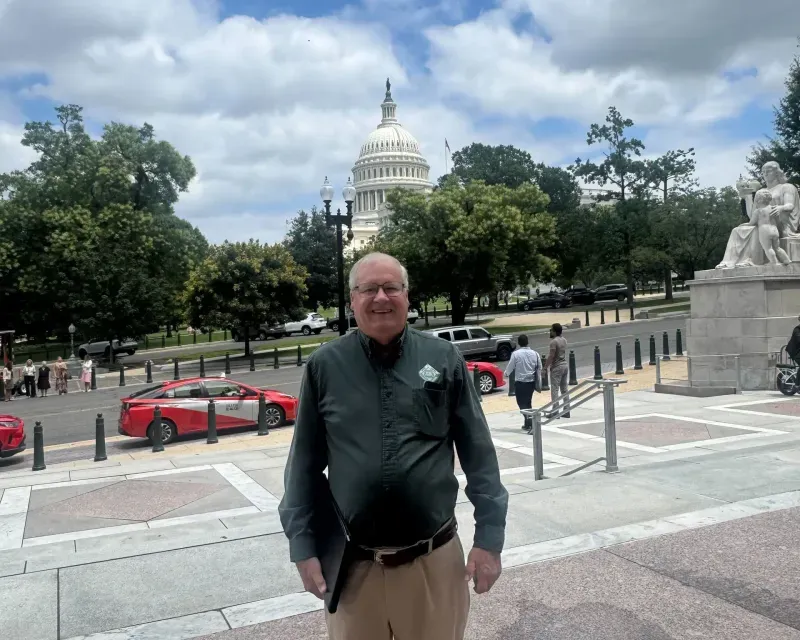
Living the Dream, Protecting the Future: John Nash's Story
John Nash might have been a banker by profession, but his passion was wild turkey hunting. This passion eventually led him to purchase 587 acres in Levy County, Florida, in 2002, after 150 acres had been destroyed by unsustainable harvesting.
October 9, 2026
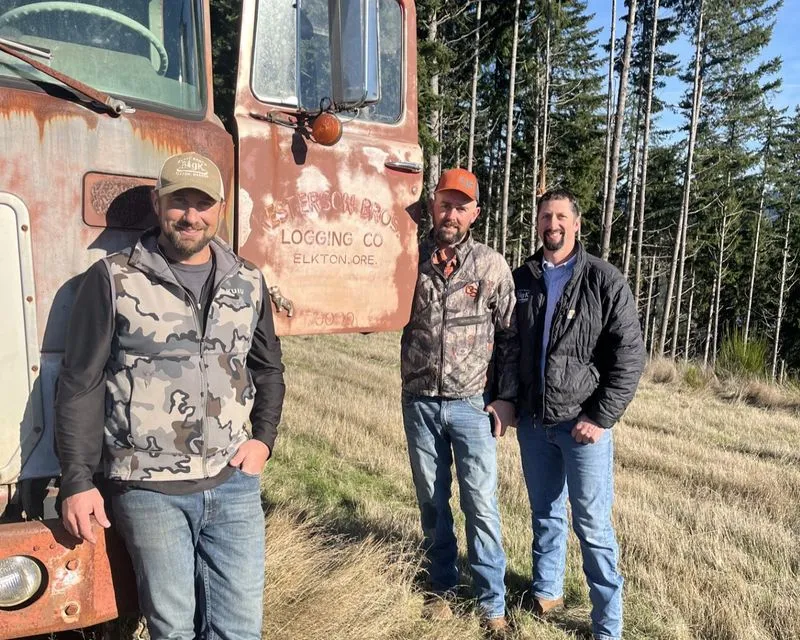
Meet The 2026 Western Outstanding Tree Farmers of the Year: The Kesterson Family
For six generations, the Kesterson family has built their life along Oregon’s Umpqua River. It started 1908, when Charles Franklin Kesterson purchased 300 acres near Elkton, and now has grown into a 2,200-acre family operation that balances forestry, ranching, and recreation.
October 5, 2026
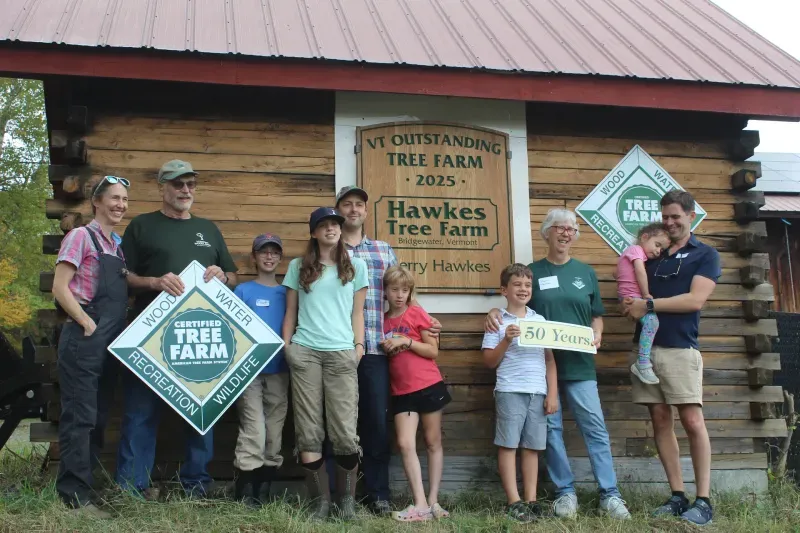
Meet the 2026 Northeast Regional Tree Farmers of the Year: Gerry and Karen Hawkes
For Gerry Hawkes, a life in the woods was decided at an early age. Growing up on his family’s farm in Vermont, working alongside his grandfather and uncles in the woods and at the sawmill, by seventh grade, he knew he wanted to become a forester.