Living the Dream, Protecting the Future: John Nash's Story
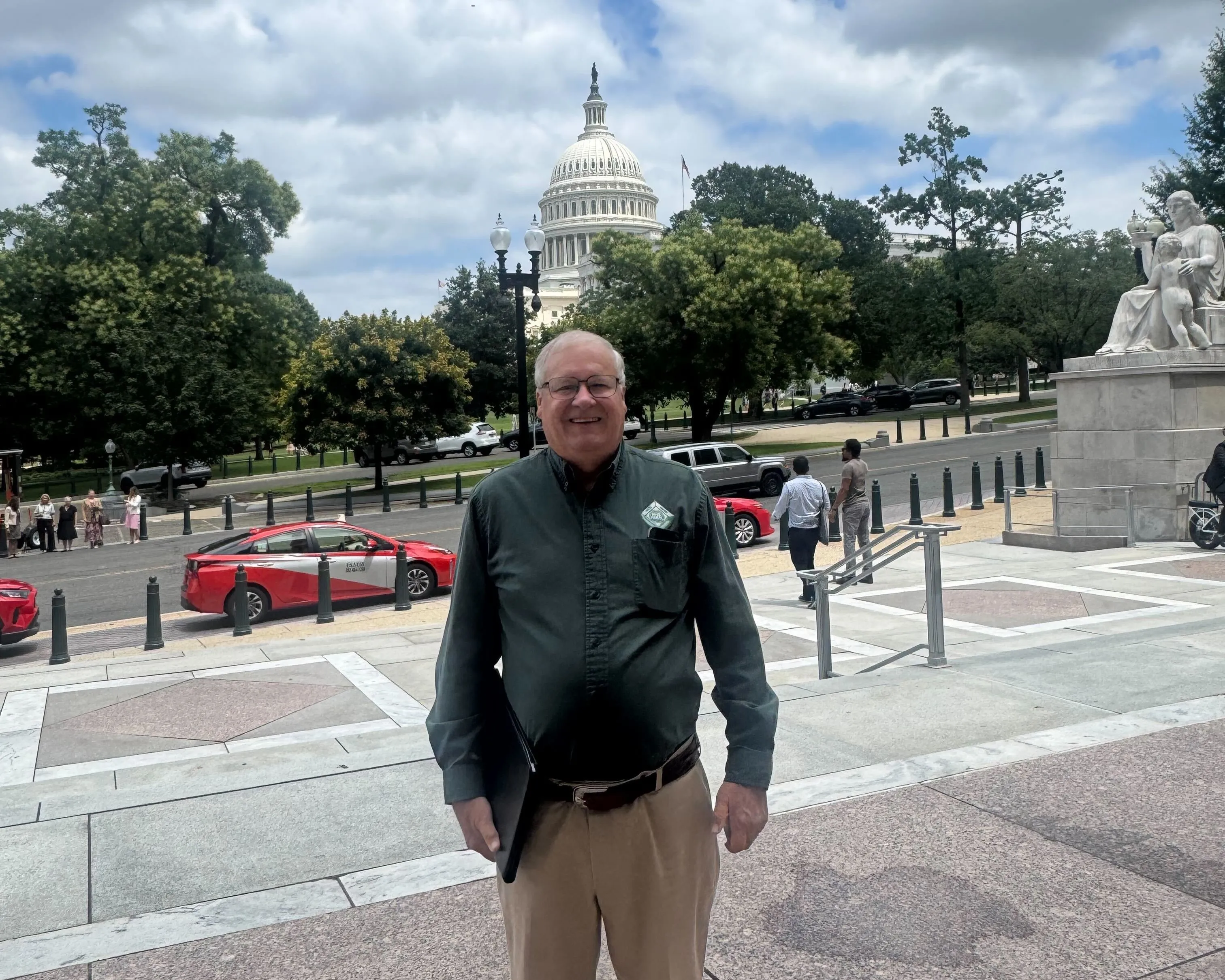
John Nash might have been a banker by profession, but his passion was wild turkey hunting. This passion eventually led him to purchase 587 acres in Levy County, Florida, in 2002, after 150 acres had been destroyed by unsustainable harvesting. His wife, Allison, and daughters, Virginia and Anne Lynne, thought John was "out of his mind", but John noticed that the property housed a natural spring and a hydric hammock, a special kind of wetland that would be perfect for turkey habitat. On a previous hunting trip to a friend's property, he noticed the land was like a mosaic, with timber, cypress, water, and open fields all dispersed. He decided to create a similar environment, and told his family, "You've got to have vision."
15 years later, they won the National Tree Farmer of the Year Award, and John’s participation in the American Tree Farm System also led him to become a long-term monthly donor to the American Forest Foundation. He wanted to give back to the ATFS mentors who helped him get where he is today.
“I’m going to support my industry as long as I am able to. This is important.” John explained. “We need to maintain some of Florida. If it’s all pavement, there’s no water, and there’s no timber.”
Getting there took hard work, dedication, and, as John said, vision. John and his wife (insert) would drive up to the property on the weekends, doing all management except tree planting and harvesting. They had no previous knowledge of timber management and immersed themselves in learning.
"I started out with nothing and built a foundation," John said.
Turning his vision into reality required an understanding of how every part of the forest works together. John became involved with the American Tree Farm System and learned the importance of balancing four interconnected forest benefits.
"Wood, water, wildlife, and recreation. They're all joined together, and if you take one leg out of the stool, things start to crumble." John shared. " But it's extremely complex, because you can't do all of them at the same time unless you focus on your management plan."
When beginning his landownership journey, John received a forest management plan from the Florida Service & Florida Fish and Wildlife. He replanted the damaged acres and focused on creating linear openings of about 150 feet, which serve as wildlife corridors, as well as establishing food plots. They have seen an average take of 5 turkeys per year, which is an excellent rate on the size of their property and a testament to their wildlife habitat management.
The Nash family developed a personal connection to their land throughout their management journey, building a barn and field for horses, a log cabin for their family, and creating a weekend tradition of spending time in untouched nature without the distractions of the outside world. John credits this extensive time in the outdoors for the reason both of his daughters had good childhoods.
"They both turned out to be great kids, and I know it's because of this property," John said.
However, despite their incredible efforts, the Nash's still face the same challenges as every family forest owner, including declining timber markets and natural disasters. A key part of John's management plan is forest thinning; however, limited timber and pulpwood markets make that work increasingly financially difficult. Without financial support to do this kind of management, family forest owners don't have the means to steward their land properly. This is why John is an avid supporter of the Family Forest Carbon Program, which enables private forest owners to participate in the voluntary carbon market, providing landowners with another form of income from their property.
"If you do carbon, you have income coming from your trees, regardless of what the price of pulp wood is now," John explained. "Being a part of something positive and helping to strengthen and create extra markets, through programs like FFCP, while we see the impacts of climate change locally, really makes a difference.”
Another important part of John's management plan was rotational mowing of newly planted trees; however, Florida's hurricanes bring mature trees down, which are impossible to work around. These storms are not only damaging current timber but impeding the ability to grow new stands. The property is in its third year on the waiting list for the Florida Forest Service to do burns on these fallen trees. These challenges have made John passionate about the need for more markets that support family forest owners, like the carbon market, that give landowners multiple sources of revenue to support their stewardship.
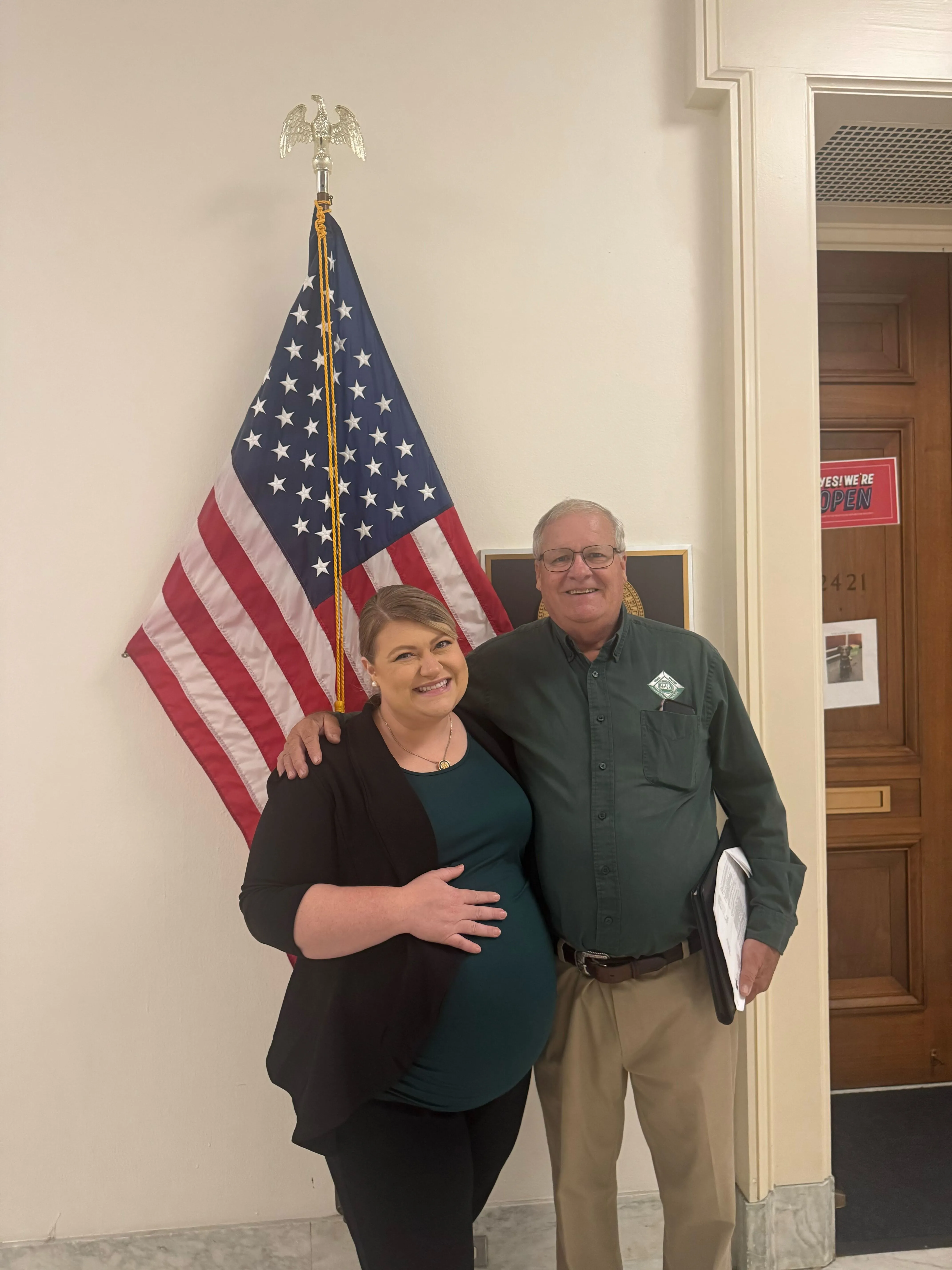
John is an active volunteer for the Florida Tree Farm Program and appreciates their local-level presence. However, he also understands the need for a national presence amplifying the voices of small landowners like himself. John was able to participate in an AFF fly-in, where we bring landowners from across the country to Washington, DC for discussions with our representatives.
Through his forestry mentor Jimmy Beeling, former President of the Florida Forestry Association, John was able to meet with Congresswoman Kat Cammack, a member of the Congressional Agricultural Committee. He shared FFA's current goals as well as AFF’s mission and advocated for policies that support forest management.
John appreciates how AFF acts as a bridge between private landowners and policymakers, ensuring that America’s underserved voices are heard. This is another reason that he decided to give back as a long-term monthly donor.
" We need to make sure that we get face time with our leaders. We need to have people understanding what we're doing and why we're doing it, and the value of what we're doing." John said. “Supporting your local community is the right thing to do, and now I’m supporting my national community.”
John and Virginia are both retired and living full time on their property now. A typical day for John looks like a few hours of driving around enjoying the land and checking trail cameras, some time on the tractor doing fire lines and habitat improvement, and then timber stand improvement. They share the property with various wildlife, including their horses, turkeys, hummingbirds, cardinals, and gopher tortoises, which they have named Bert, Ernie, and Miss Piggy.
" I think it's so fantastic. I can sit on my porch, I can see wild turkeys, I can see my horses, I can see my timber,” John Shared. “I live where I want to live, my goals and objectives were accomplished, and I'm living my dream."
Related Articles
May 13, 2026
Looking Back at Bear Town
FFCP caught up with Susan Benedict, our third-ever-enrolled landowner, to reflect on her six years with the program and what she is looking forward to in the future.
April 7, 2026
The Family Protecting the Poconos
The DeSeve family owns 100 acres of forestland nestled in the Pocono mountains, halfway between Philadelphia and New York. After joining the Family Forest Carbon Program and with the help of their forester, they are exploring ways to protect their trees, raise new trees, grow mushrooms for biodiversity, protect wildlife, and improve water quality.
February 24, 2026
A One Millionth Tree for a One-in-a-Million Landowner
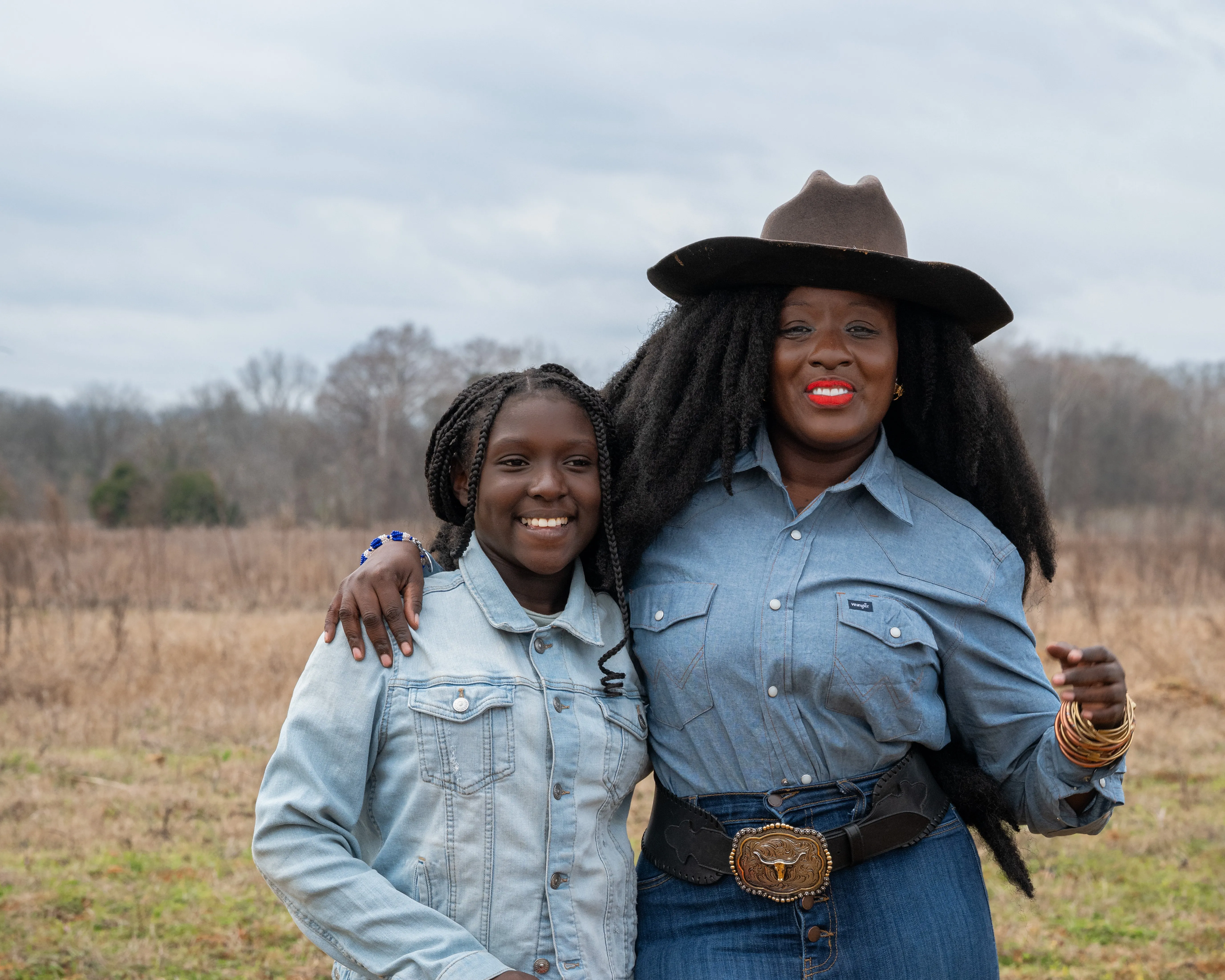
In February 2026, Portia's land was even the site of a project milestone: the celebratory planting of Fields & Forests millionth tree! “I wouldn’t have ever dreamed this as being something that could possibly even happen,” She shared her excitement for being a part of this incredible milestone.